Kenyans Might Be Consuming Contaminated Rice – KEBS Reveals
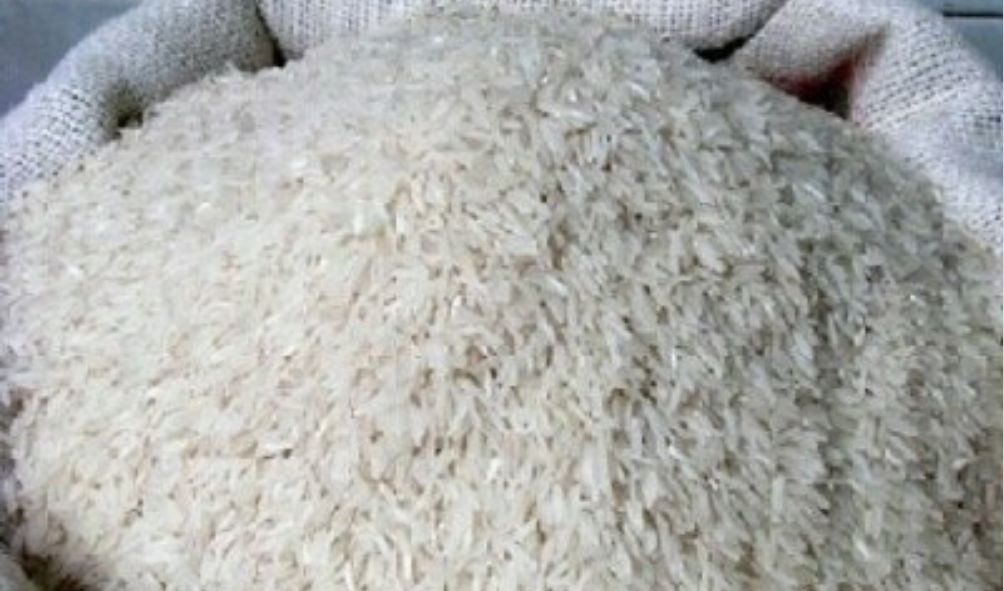
Kenyans may have been exposed to yet another toxic item when the Kenya Bureau of Standards (KEBS) warned of a 2-million-kg rice consignment.
The press received documents from KEBS that indicated how the rice, which had been certified unsafe for human consumption, was redirected into the Kenyan market.
According to the standards office, the flagged consignment, which arrived from Pakistan in September and October of this year, was pronounced unsafe after failing the aflatoxin test.
Kebs impounds 15,000kgs of rice suspected to be contaminated in Embakasi; say rice has been in circulation since May pic.twitter.com/PNaLeiNh6i
— NTV Kenya (@ntvkenya) November 6, 2024
The agency reported that the test findings revealed that the rice contained a higher amount of aflatoxin than authorized, rendering it unfit for human consumption.
According to the allegation, an 83,000-bag shipment of 25kg of rice was carried from Mombasa’s Kilindini port to Nairobi, where it was repackaged and dispersed to several wholesale and retail shops.
When KEBS officials discovered that the rice had entered the market despite not meeting the required criteria, they launched a crackdown but were only able to seize 23,000 kg.
‘Killer Rice’ In Circulation:
— Citizen TV Kenya (@citizentvkenya) December 10, 2024
KEBS raises alarm over contaminated rice in circulation
KEBS: An estimated 2 million kgs of rice in the markets
The rice failed to meet aflatoxin tests done by KEBS #CitizenExplainer @YvonneOkwara pic.twitter.com/KgdhBqlptV
KEBS market surveillance officials intercepted the deadly rice at the Central Business Park, which is located in Nairobi’s industrial region.
Kenyans have consumed harmful or poor commodities before.
In a comparable instance, three months ago, 32 million liters of cooking oil were identified by KEBS after they unlawfully found their way into the markets.
KEBS Managing Director Esther Ngari informed parliamentarians on September 23 that the edible oil entered the market without the agency’s consent.
ALSO READ:
- Kenya’s David Munyua Heads Back To PDC World Darts Championship
- A Man Dies In Police Custody, Family Says Victim Had Mental Illness
- DP Kindiki Makes A Ksh39 Billion Projects’ Pledge To Meru, Slams Local Leaders
- FKF Issues Way Forward On Kenya Premier League’s New Season
- Court Rules On 8 Utumishi Girls Fire Suspects, Explains Reasons Behind
Ngari stated that 43 of the 73 containers of imported cooking oil were released to Kenyans despite failing to meet the KEBS nutritional requirements.
Upon entering the market, numerous companies that specialize in product packaging purchased the cooking oil and marketed it to merchants around the country.
“We tested several consignments and the results we received showed failure,” Ngari informed the legislators.
“As far as KEBS is concerned, their products were rejected and therefore the Kenya National Trade Corporation (KNTC) should have not sold them out.”
Kenyans Might Be Consuming Contaminated Rice – KEBS Reveals