60 Students Hospitalized For Potential Food Poisoning In Kericho
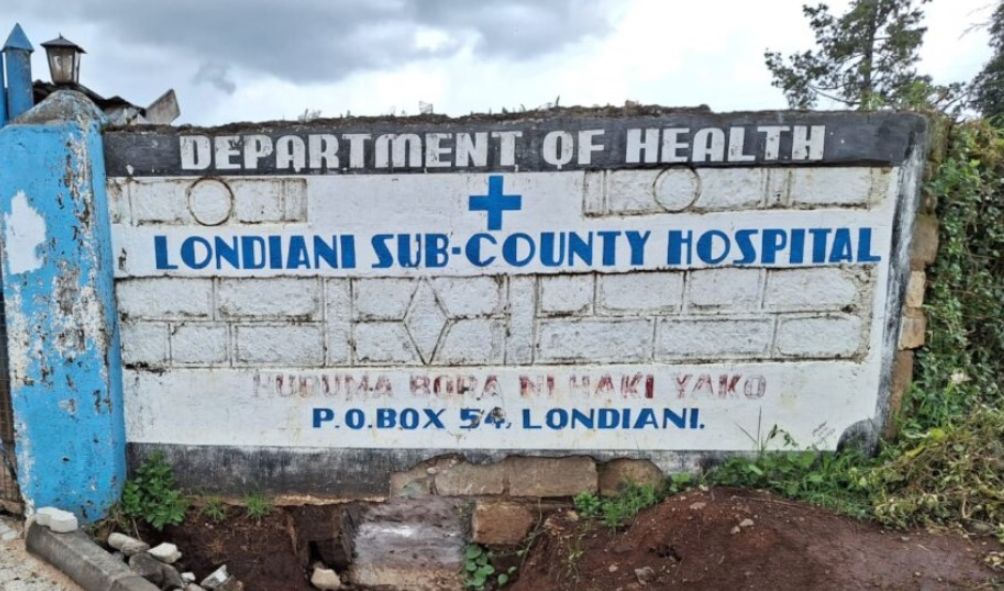
60 kids from Kalyet Secondary School in Kipkelion, Kericho County, have been admitted to Londiani Hospital due to suspected food poisoning.
According to hospital superintendent Dr Collins Kipkoech, the students were transported to the hospital in the morning after complaining of stomach pain, diarrhea, and vomiting.
The students were said to have ingested Githeri, which was thought to be tainted.
Dr. Kipkoech stated that the majority of the students have been stabilized and may be discharged from the hospital, while others will remain for additional observation.
Chakula Cha Sumu Kericho?
— NTV Kenya (@ntvkenya) January 27, 2025
Wanafunzi wapatao 60 wa Shule Ya Upili Ya Kalyet wamelazwa hospitalini kutokana na maumivu ya tumbo.#NTVAdhuhuri @Loise_Wangui pic.twitter.com/37xvDrsV3m
He stated that the students had diarrhoea and vomiting, indicating that it was most likely due to food poisoning.
The school administration has yet to comment on the subject.
The recent unfortunate disease outbreaks in schools should not only disturb us all but also motivate us to act.
From a public health sense, these and other food poisoning occurrences around the country are an indictment of our food safety systems and a sign of a larger problem.
When such incidents occur, the public reacts with astonishment and outrage, followed by expected statements from politicians and officials.
60 students from Kalyet Secondary school in Kipkelion, Kericho County hospitalised over suspected food poisoning after eating githeri. pic.twitter.com/uKAzA1zTd3
— Hot 96 FM Kenya (@Hot_96Kenya) January 27, 2025
This includes hastily scheduled inspections and pledges of urgent investigations, among other ‘knee-jerk’ measures.
However, thorough and systematic research into the underlying causes, as well as long-term solutions, are required to alleviate the unnecessary loss of life and suffering.
According to the official report, the disease outbreaks in Mukumu Girls and Butere Boys in Kakamega County were most likely caused by two pathogens: Salmonella typhi and Escherichia coli.
The report also recommended a number of public health actions to prevent the diseases from spreading further.
ALSO READ:
- Kenya’s David Munyua Heads Back To PDC World Darts Championship
- A Man Dies In Police Custody, Family Says Victim Had Mental Illness
- DP Kindiki Makes A Ksh39 Billion Projects’ Pledge To Meru, Slams Local Leaders
- FKF Issues Way Forward On Kenya Premier League’s New Season
- Court Rules On 8 Utumishi Girls Fire Suspects, Explains Reasons Behind
While the guidance helps, offering fragmented recommendations rather than a comprehensive solution is short-sighted and will not solve the public health problem in the long run.
Ad hoc and reactive inspections cannot reliably identify and prevent possible food poisoning incidents.
It is nearly hard to assure food safety in schools or similar settings if the water used or the food supplied is already contaminated.
In addition, workers do not have basic training on sanitation and hygiene as well as proper food handling, and there is an absence of even the most rudimentary food safety processes.
60 Students Hospitalized For Potential Food Poisoning In Kericho