EXPLAINER: How A New Pope Is Chosen – The Detailed Process
As the Catholic Church mourns the death of Pope Francis, attention turns to the Vatican as the process of picking a new Pope begins.
The leader of the Catholic Church died on Easter Monday, April 21, after suffering double pneumonia for more than a month.
“Pope Francis died on Easter Monday, April 21, 2025, at the age of 88 at his residence in the Vatican’s Casa Santa Marta,” Vatican News said in a tweet.
When the Pope dies or resigns, the Catholic Church enters a period known as Sede Vacante, or vacant seat, during which the papal office is officially unoccupied.
The process of selecting a new Pope is known as a papal conclave, and it follows a specific system laid down by the Catholic Church.
During the papal conclave, tradition, theology, and political concerns all play a role in selecting a new Pope.
Although there are no official campaign processes, several important elements influence the voting process.
Cardinals discuss the condition of the Catholic Church and the difficulties it faces.
Pope Francis just died. May he rest in peace.
— Mushtaq Bilal, PhD (@MushtaqBilalPhD) April 21, 2025
The process of electing a new pope is super secret and really fascinating.
1. The next pope will be selected by the College of Cardinals. There are 220 cardinals but only 120 are cadinal electors. Cardinals over 80 are excluded.
2.… pic.twitter.com/x0b0AnmJdM
These include doctrinal arguments and doctrine, church governance and reforms, contacts with other religions and the secular world, and the expansion of Catholicism in various places.
Cardinals frequently chose candidates with extensive theological understanding and leadership experience as bishops or cardinals.
They should also have great administrative skills, particularly if reforms are required, as well as the capacity to successfully interact with the faithful around the world.
Several geopolitical and regional factors influence the choosing process.
Historically, Popes were largely Italian, but in recent years, the Church has contemplated more foreign representation.
Cardinals may be looking for a Pope from a rising Catholic region, such as Latin America, Africa, or Asia.
The influence of many factions may play an effect but is not widely considered.
While the election is mostly spiritual, there are informal organizations and alliances inside the College of Cardinals.
Cardinals with varied theological perspectives (progressive, conservative, reformist) may support candidates who reflect their vision for the Church.
When a Pope dies, as Pope Francis did, the Camerlengo (Cardinal Chamberlain) verifies the death and arranges for the papal burial.
The papal funeral is a sophisticated ceremony that follows a specific procedure.
Cardinals from all over the world flock to the Vatican ahead of the papal conclave.
Meanwhile, the College of Cardinals, which temporarily oversees the Church, meets to discuss its needs.
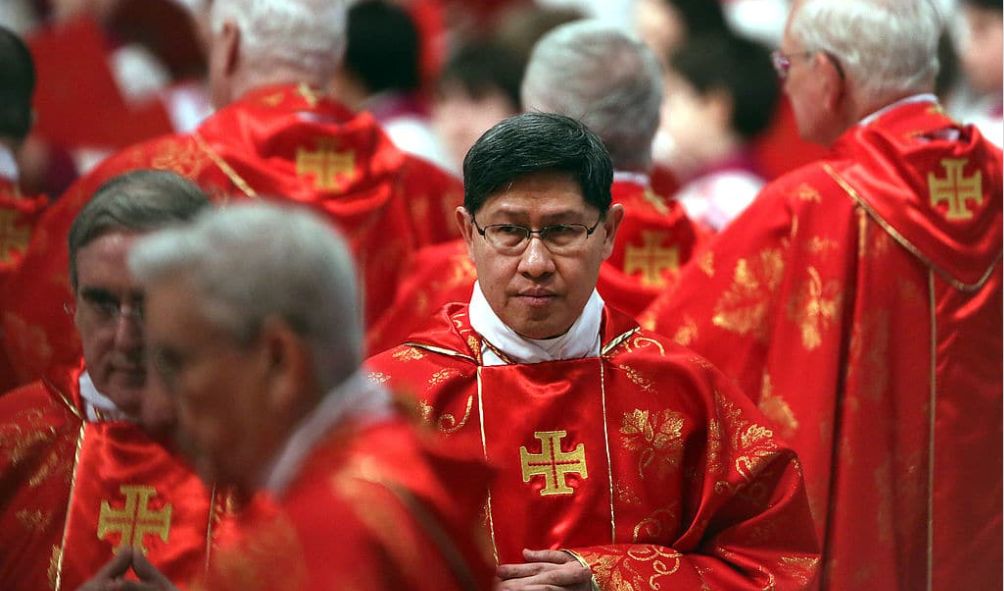
The College is an organization of senior Catholic clerics nominated by the Pope. They are his closest advisors and, more significantly, choose a new Pope in the event of a vacancy.
The conclave to elect a new pope starts in the Sistine Chapel around 15-20 days after the pope's death. Reuters’ Vatican correspondent Joshua McElwee explains the entire process, from the funeral to electing a new leader https://t.co/ge1TTsDjH8 pic.twitter.com/icXSfM36We
— Reuters Asia (@ReutersAsia) April 21, 2025
The College is made up of cardinal bishops, cardinal priests, and cardinal deacons, all with different tasks and responsibilities.
Notably, only cardinals under the age of 80 are eligible to vote and travel to the Vatican for the papal conclave.
Once they’ve gathered, the world-famous Sistine Chapel, located in the Pope’s official residence, is prepared, and all communication with the outside world is cut off to maintain secrecy.
The voting cardinals swear an oath of secrecy, and the conclave begins with the “Extra Omnes” (“Everyone Out!”) command, which indicates that only eligible cardinals remain.
Before the conclave begins, a Mass “Pro Eligendo Pontifice” (“For the Election of the Pontiff”) is held to implore heavenly guidance. During the conclave, votes are cast using secret ballots.
A candidate must receive at least two-thirds of the vote to be selected as the new Pope. Each cardinal writes a candidate’s name on a paper ballot.
ALSO READ:
- Kenya’s David Munyua Heads Back To PDC World Darts Championship
- A Man Dies In Police Custody, Family Says Victim Had Mental Illness
- DP Kindiki Makes A Ksh39 Billion Projects’ Pledge To Meru, Slams Local Leaders
- FKF Issues Way Forward On Kenya Premier League’s New Season
- Court Rules On 8 Utumishi Girls Fire Suspects, Explains Reasons Behind
The ballots are counted and burned after each vote. Black smoke (fumata nera) signifies that no Pope has been elected. White smoke (fumata bianca) signifies that a new Pope has been chosen.
If no Pope is chosen after multiple rounds, discussions may occur to narrow down candidates.
Once a candidate receives the required votes, he is asked: “Do you accept your election as Supreme Pontiff?”
If he accepts, he chooses a papal name. The senior cardinal deacon announces to the world: “Habemus Papam” (“We have a Pope”), followed by the Pope’s chosen name.
The new Pope then appears on the balcony of St Peter’s Basilica to give his first blessing.
EXPLAINER: How A New Pope Is Chosen – The Detailed Process