Gov’t Approves Religious Organizations’ Regulation
The Cabinet has approved a move to regulate religious organisations in order to protect the integrity of traditions and prevent exploitation.
This is in response to the Presidential Taskforce on Religious Organizations’ proposals, which signal a watershed moment in the regulation of religious activities.
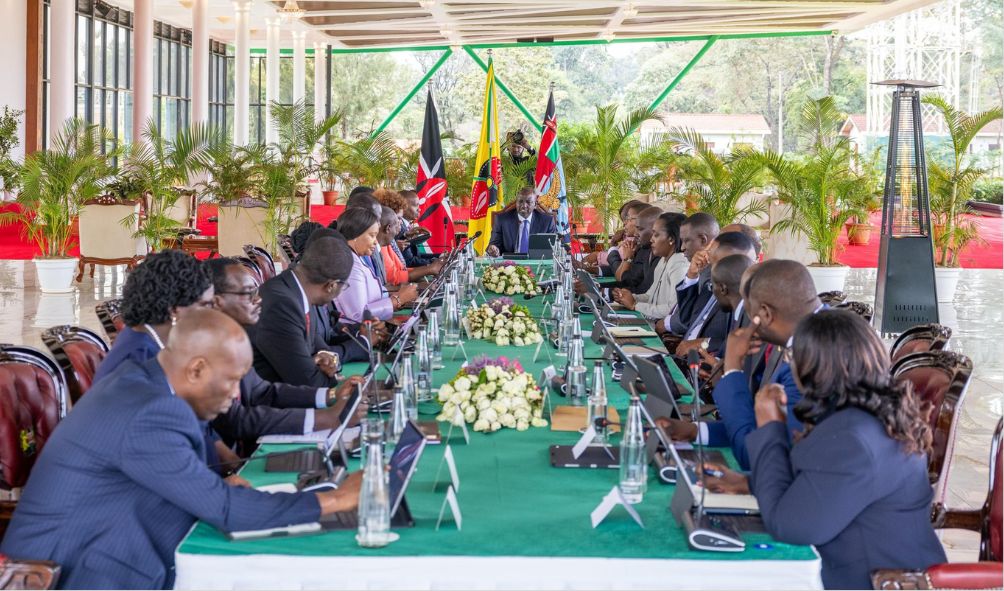
In a cabinet meeting headed by President William Ruto, proposed reforms were discussed in reaction to the Shakahola disaster.
Ruto emphasized that they put religious leaders at the center of accountability measures, prioritizing self-regulation over state control.
Key recommendations include implementing a legal framework to oversee religious organizations, establishing a Religious Affairs Commission, and strengthening umbrella faith organizations to facilitate collaboration.
“The model blends institutional autonomy with supportive oversight and calls for leadership standards, reforms to religious broadcasting, and civic education to promote tolerance and prevent extremism,” the cabinet dispatch read in a part.
Today, H.E. President William Ruto chaired a Cabinet meeting at State House, Nairobi, which yielded the following key outcomes: pic.twitter.com/MtISY3u16Z
— Spokesperson GoK (@SpokespersonGoK) July 29, 2025
Cabinet said a multi-agency collaboration comprising security agencies, interfaith platforms, and educational institutions will help with implementation.
The Shakahola mass killings were discovered in April 2023, and over 400 victims have since been excavated from shallow graves at Shakahola Forest in Kilifi County.
Those who died are thought to have belonged to a cult and were starved to death because they believed it was the only way to heaven.
On July 24, 2024, the task force completed its work and delivered its findings to President Ruto.
Policing Rogue Faiths:
— NTV Kenya (@ntvkenya) July 29, 2025
The Cabinet has approved recommendations from of the presidential taskforce on religious organisations.
This is a landmark move to safeguard the integrity of religious practice while curbing exploitation.#NTVTonight @zeynabIsmail pic.twitter.com/c50WLKf9NX
The Reverend Mutava Musyimi chaired the Presidential Taskforce on the Review of the Legal and Regulatory Framework Governing Religious Organisations Report, which suggested the formation of the Religious Affairs Commission.
It has also prepared the Draft Religious Organisations Bill 2024 and the Draft Religious Organisations Policy, which will help anchor and institutionalise the report’s recommendations.
ALSO READ:
- Kenya’s David Munyua Heads Back To PDC World Darts Championship
- A Man Dies In Police Custody, Family Says Victim Had Mental Illness
- DP Kindiki Makes A Ksh39 Billion Projects’ Pledge To Meru, Slams Local Leaders
- FKF Issues Way Forward On Kenya Premier League’s New Season
- Court Rules On 8 Utumishi Girls Fire Suspects, Explains Reasons Behind
According to the report, the proposals are intended to maintain and protect religious freedom while also reducing the possibility for abuse to do harm to Kenyan citizens.
The paper also proposed a hybrid regulatory model of self-regulation and government control, as well as a change to Kenya’s Information and Communications Act.
Other recommendations included revising the basic education curriculum to promote religious tolerance.
It also warns the public about religious extremism and calls for a review of civic education materials on the rights and responsibilities of religious organizations and citizens.
Gov’t Approves Religious Organizations’ Regulation