EXPLAINER: How Politicians Plan, Use Violence To Disrupt Rallies
The Ministry of Interior has released a study showing how politicians allegedly use violence to interrupt demonstrations and intimidate rivals.
The research, released on Wednesday, February 25, showed how political violence in the country is seldom random or spontaneous, but is instead substantially orchestrated and facilitated by political actors.
The report is based on historical reviews and intelligence analysis of patterns, political elites and operatives.
These play a critical role in mobilizing supporters to assert control, undermine opponents, and influence public perception during election cycles and major political events.
According to intelligence, rises in violence typically coincide with political commands or approvals from powerful players in politics.
Previous election seasons, such as the 2007-2008 post-election unrest and the 2017 polls, have been linked to organized violence, with allegations of linkages between political operatives and coordinated violent action.
The paper also described an organized method to mobilizing, identifying key groups that are frequently targeted for recruitment.
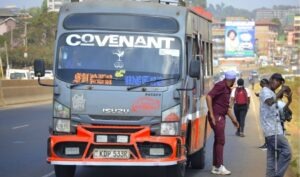
Boda boda riders, casual laborers, and unemployed teenagers are among the most vulnerable demographics, as they often take advantage of opportunities to gain quick money owing to economic difficulties.
Teargas, Bullets, and all weapons that exist cannot extinguish the will of the people of Kenya.
— Rigathi Gachagua (@rigathi) February 16, 2026
A government scared of its people has no legitimacy; Mr. William Ruto you have chosen a path traveled by a few African dictators and you know what befell them when their time came.… pic.twitter.com/flhlMUCbPS
By God’s grace and your prayers, the #LindaMwananchi team arrived safely in Nairobi. We thank all of you who showed up and stood with us to beat all the traps of the enemy. We need to hear from @KenyaAirports whether Kisumu is still an International Airport and whether they can…
— Edwin Sifuna (@edwinsifuna) February 22, 2026
Recruitment comes through informal networks that function between mobilisation and militancy, and the networks are utilized to quickly assemble groups as political tensions rise.
Once mobilised, the groups are deployed during political events in strategic positions.
Their roles during these political rallies are to create the appearance of mass support, dominating public spaces and intimidating opponents.
One of the biggest points of emphasis from the report is that the operations are rarely accidental.
Intelligence findings indicate that in many cases, deployment is pre-planned and financed by political actors who are intent on maintaining influence while avoiding direct accountability.
ALSO READ:
- Court Rules On Sifuna Dismissal As ODM Secretary General
- South Sudan Politician Rushed To Nairobi For Treatment
- NAIROBI: Man Charged With Trafficking Kenyans to Russia
- MPs Go After Lwak Girls School, Order Reinstatement Of Hijab Student
- EXPLAINER: How Politicians Plan, Use Violence To Disrupt Rallies
Deniability, which entails political figures distancing themselves from the incidents, is a notable feature of the strategy, according to the report.
The same leaders go to the public to condemn unrest while privately benefiting from the aftermath.
Because of this pattern, the report claims there have been increased cycles of instability during election seasons – a dynamic which has reinforced a culture where locals believe that violence is a viable political tool.
By highlighting these patterns, the Ministry of Interior says it aims to strengthen preventive measures and disrupt the networks that facilitate politically motivated violence.
EXPLAINER: How Politicians Plan, Use Violence To Disrupt Rallies