National Treasury Officially Removes Kenya Pipeline From State Entities’ List
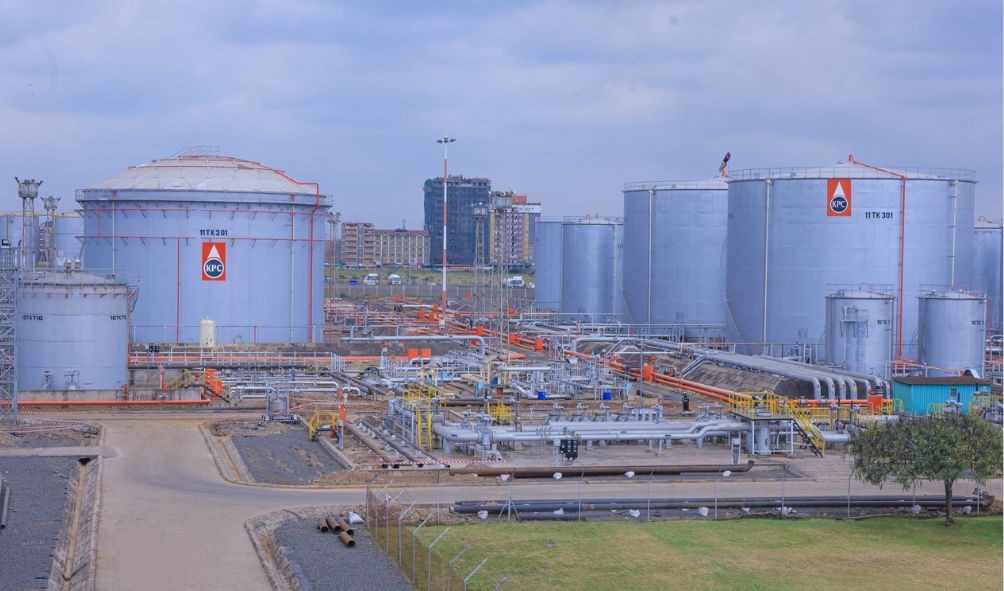
The National Treasury has officially stripped Kenya Pipeline Company (KPC) of its status as a state entity, a move that marks one of the most significant shifts in how the government manages public assets in recent years.
Cabinet Secretary for the National Treasury, John Mbadi, signed the legal notice on April 22, 2026, formally revoking KPC’s designation as a National Government Entity under the Public Finance Management Act, Cap. 412A through a special gazette notice.
“IN EXERCISE of the powers conferred by section 4 (1) of the Public Finance Management Act, as read with regulation 211 (7) of the Public Finance Management (National Government) Regulations, the Cabinet Secretary for the National Treasury revokes the declaration of Kenya Pipeline Company as a National Government Entity as declared under Schedule II of the Declaration of the National Government Entities,” declared the notice in part.
The revocation follows the successful completion of KPC’s Initial Public Offering (IPO) on the Nairobi Securities Exchange (NSE), through which the government sold a 65 per cent stake to ordinary Kenyans and institutional investors across the country.
Kenya Pipeline Company (KPC) has officially finalized its privatization. The government will sell 65% via IPO on the Nairobi Securities Exchange, retaining 35% ownership.
— Captain Kipkorir 𝕩 (@CaptainKipkorir) April 23, 2026
KPC has lost its national parastatal status following the Kenya Gazette notices issued yesterday. pic.twitter.com/D6N2i0D6Fe
Trading of KPC shares on the Main Investment Market Segment (MIMS) of the NSE began on March 10, 2026, opening a new chapter for a company that had operated exclusively under government ownership for over four decades.
The government, through the National Treasury, now retains only a 35 per cent shareholding in the company, a dramatic reduction from full state ownership that the company has operated under since its founding in 1973.
According to the Gazette notice, KPC’s “principal objective is to provide efficient, reliable, safe, and cost-effective means of transporting petroleum products within East Africa”.
This mandate remains unchanged despite its new ownership structure.
The company, which had previously operated as a private limited liability company, was converted into a Public Limited Company in January 2026 in preparation for its listing and is now officially known as Kenya Pipeline Company PLC.
The notice insists that the privatisation was conducted in strict compliance with the Privatisation Act, 2025, the Capital Markets Act, Cap. 485A, and the Capital Markets Public Offers, Listing and Disclosure Regulations, giving the entire process a firm legal foundation.
The revocation as a national entity effectively means that it no longer falls under the financial oversight framework that governs state organs.
ALSO READ:
- Kenya’s David Munyua Heads Back To PDC World Darts Championship
- A Man Dies In Police Custody, Family Says Victim Had Mental Illness
- DP Kindiki Makes A Ksh39 Billion Projects’ Pledge To Meru, Slams Local Leaders
- FKF Issues Way Forward On Kenya Premier League’s New Season
- Court Rules On 8 Utumishi Girls Fire Suspects, Explains Reasons Behind
Additionally, KPC will no longer be subject to the same Public Finance Management rules that apply to fully government-owned entities.
This shift is set to significantly change how the company is governed and held accountable going forward.
The sale comes at a sensitive time, as Kenya faces record-high fuel prices partly attributed by the government to the ongoing conflict in the Middle East.
However, critics have raised concerns over the role of entities linked to Kenya Pipeline Company (KPC) in the fuel supply chain.
They have warned that control over key infrastructure could potentially influence domestic pricing dynamics.
National Treasury Officially Removes Kenya Pipeline From State Entities’ List