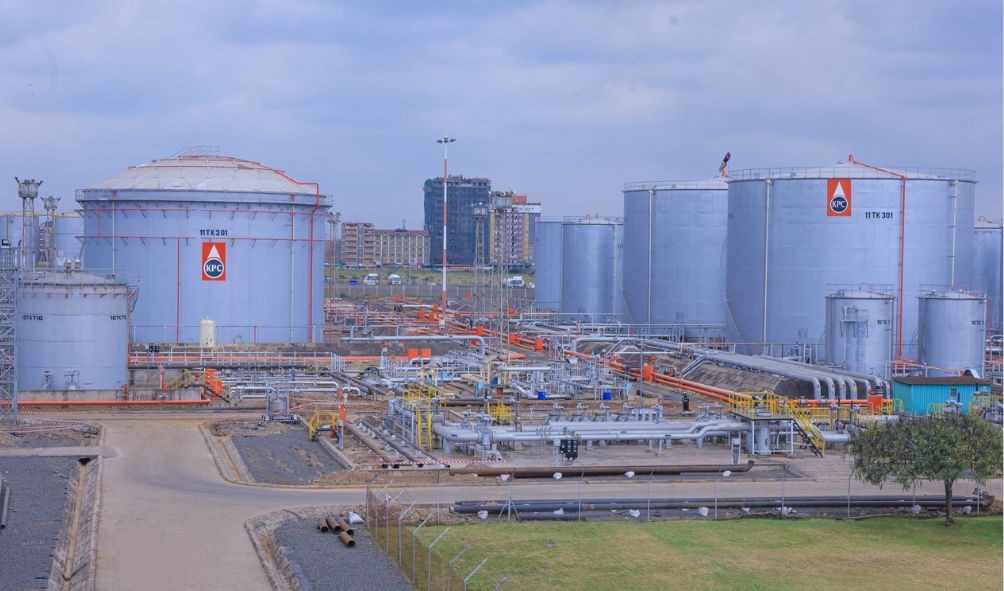
Ruto’s Cabinet Sets Plan To Privatize Kenya Pipeline Company
The Cabinet has approved the readmission of the Kenya Pipeline Company in the privatization program.
This paves the way for a partial sale of government shares and the listing of the strategic energy parastatal on the Nairobi Securities Exchange.
According to a Cabinet dispatch, the move is part of a larger policy shift aimed at limiting government involvement in industry and allowing the private sector to take the lead in promoting growth, efficiency, and innovation.
The decision was made during a Cabinet meeting headed by President William Ruto at State House in Nairobi.
“The Cabinet gave the green light for the reinstatement of Kenya Pipeline Company (KPC) into the privatisation programme, paving the way for partial divestiture of government shares in a move aimed at democratising ownership by Kenyans at the Nairobi Securities Exchange and unlocking the company’s full commercial potential,” the statement said.
Today, H.E. President William Ruto chaired a Cabinet meeting at State House, Nairobi, which yielded the following key outcomes: pic.twitter.com/MtISY3u16Z
— Spokesperson GoK (@SpokespersonGoK) July 29, 2025
KPC is a key player in Kenya’s energy supply chain and has continuously demonstrated good profitability.
Despite this, the Cabinet acknowledged that the enterprise “has not yet reached its optimum performance and market value, largely due to bureaucratic constraints and public sector inefficiencies.”
Privatization is expected to bring private resources and professional knowledge into the company, modernizing its operations and establishing it as a regional logistics and energy powerhouse.
The Cabinet emphasized that this policy is based on successful examples in other bodies.
ALSO READ:
- Kenya’s David Munyua Heads Back To PDC World Darts Championship
- A Man Dies In Police Custody, Family Says Victim Had Mental Illness
- DP Kindiki Makes A Ksh39 Billion Projects’ Pledge To Meru, Slams Local Leaders
- FKF Issues Way Forward On Kenya Premier League’s New Season
- Court Rules On 8 Utumishi Girls Fire Suspects, Explains Reasons Behind
“Cabinet was reminded that similar moves in the past have yielded transformative results. Safaricom, Kenya Commercial Bank, and KenGen are prime examples of formerly state-controlled entities that became high-performing companies following privatisation, driving shareholder value, expanding regionally, and creating thousands of jobs.”
Govt To Sell Kenya Pipeline:
— Citizen TV Kenya (@citizentvkenya) July 29, 2025
Cabinet approves sale of part of Kenya Pipeline shares
Govt plans to partially divest from the company
Move seeks to unlock company’s commercial potential
Shares to be listed at the Nairobi Securities Exchange#CitizenExplainer @YvonneOkwara pic.twitter.com/f2JGwi5Agk
The privatisation of KPC, according to the dispatch, is expected to increase investor confidence and help the development of Kenyan capital markets.
“The approval marks a shift from state dominance in commercial enterprises to a model that embraces private sector-led growth, operational discipline, and accountability, ultimately ensuring that public resources are better used to deliver essential services,” the Cabinet noted.
The inclusion of KPC in the privatisation pipeline is likely to follow existing laws and regulatory frameworks governing the sale of public assets.
Ruto’s Cabinet Sets Plan To Privatize Kenya Pipeline Company