“Africa Will Be Hit The Hardest!” – Former Trade CS Says Amidst Strait Of Hormuz Closure
Kenya and other African countries will bear the most brunt from the ongoing fuel supply disruptions as the war in the Middle East enters its third week, according to Trade Cabinet Secretary Moses Kuria.
Kuria has long been linked to the oil sector both as a private businessman and through his previous government roles.
He warns that Africa lacks alternative fuel sources, and stockpiles mean the continent is the most vulnerable in the current crisis.
The crisis has been sparked by the closure of the Strait of Hormuz to most commercial maritime traffic following an escalation in the U.S.-Israel war with Iran.
Before the hostility, this strait carried 20 per cent of the world’s daily oil supply.
“The closure of the Straits of Hormuz will affect Africa the most,” Kuria warned in a statement on X on Saturday, March 14.
Since March 2, 2026, Iran’s Islamic Revolutionary Guard Corps (IRGC) has declared the strait closed, threatening to “set ablaze” any unauthorised vessels.
As such, vessel transits have plummeted by approximately 97 per cent since the conflict began on February 28, 2026.
This means countries like Kenya, which is expecting a delivery later in April, have her fingers crossed that the shipment makes it to Mombasa in time to avert a crisis.
Kuria says, “Other continents either have alternative sources (Russia, etc.) or have stockpiles (China)…Africa, despite being a producer, will be hit the hardest by supply shocks.
“Yet there is no coordinated energy strategy by the African Union. We are on our own.”
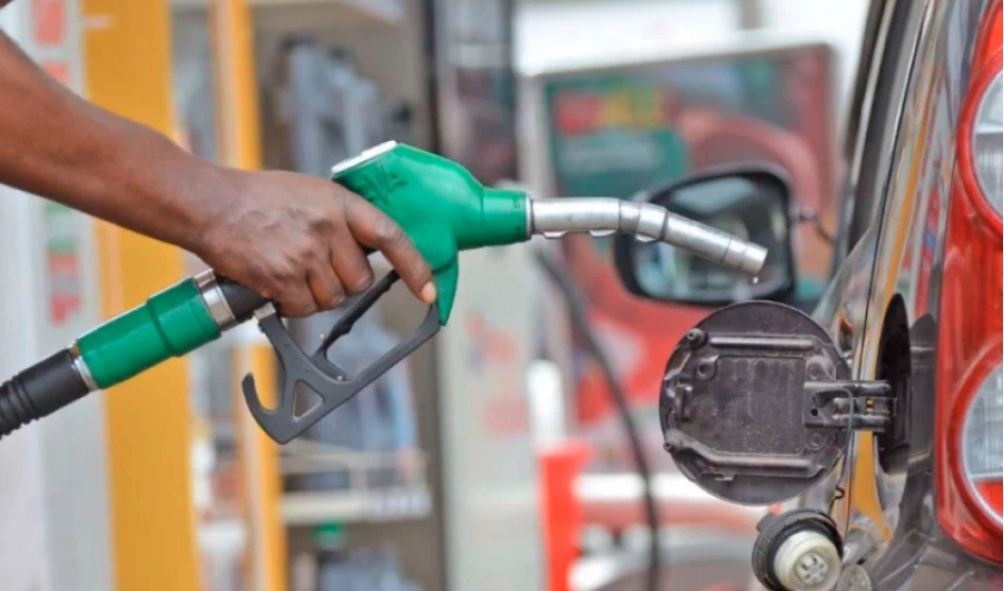
Some countries in the far east have already begun rationing fuel, with some motorists in Nairobi reporting that petrol stations have begun rationing fuel ahead of the monthly pump price review.
Motorists have taken to social media to claim that some petrol stations are capping fuel purchases at Ksh2,000 in anticipation of new fuel prices.
As a direct result of the closure, Murban crude oil surged to Ksh11,916 (USD 92.13) per barrel on March 12 from Ksh9,862 (USD 76.25) a week earlier, according to the CBK bulletin on Friday, March 14.
Kuria is not alone in holding the thought that African countries will have a higher cost to pay for the war.
Kwame Owino, CEO of the Institute of Economic Affairs, in an interview with CNN this week, said African nations should start preparing for a ‘catastrophic scenario’.
“While no African countries are directly involved in the conflict, we still suffer quite substantially. Governments need to adjust,” he told Larry Madowo.
ALSO READ:
- ODM Governor Threatens To Quit Party, Join Sifuna’s Linda Mwananchi
- KWS Takes Action After Deaths of 18 Elephants in Amboseli, Arrests Four
- Fire Razes Down Several Homes In Marurui, Cause Yet To Be Confirmed
- TRAGIC! 12-Year-Old Boy Shot, Bullet Logged In Skull In Homa Bay Days After LM Chaos
- Former Prominent Judge, MPs Husband Dies After Short Illness
Adding, “So, for instance, the government of Kenya has some of the highest taxes globally on fuel prices, so adjusting fiscal policy to allow for greater affordability is important, even if it means that the government will have a lower take.”
In an interview with journalists last week, Daniel Kiptoo, Director General of the Energy and Petroleum Regulatory Authority (EPRA), said the government is anxiously tracking the loading of an oil ship in the Red Sea to mitigate potential shortages.
According to EPRA, Kenya is seeking alternative supplies from India and Oman, which are expected by early April.
“The government will be concerned if the scheduled cargo doesn’t load,” he said.
“Africa Will Be Hit The Hardest!” – Former Trade CS Says Amidst Strait Of Hormuz Closure