Elon Musk Breaks Ice On Starlink’s Impact In Kenya Since Launch
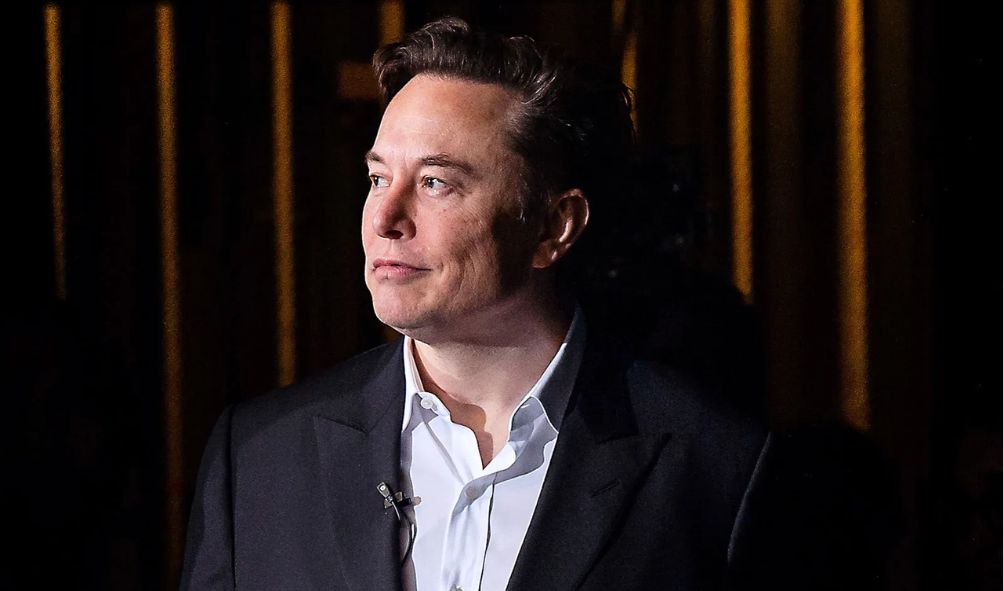
Elon Musk, an American billionaire, waded into the debate on Tuesday about the impact Starlink has had in Kenya and the disruption it has caused for local tech players.
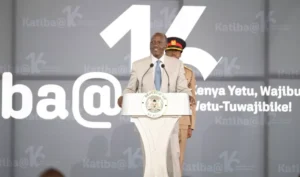
Musk responded to a video in which President William Ruto discussed the decision-making process that resulted in the Kenyan government agreeing to open the market for Starlink, a foreign entity.
The multibillionaire is well-known for his outspokenness on social media, particularly on his own platform X.
President Ruto, speaking on the sidelines of the United Nations General Assembly (UNGA), reiterated Kenya’s position as an open market.
As the President of Kenya says, Starlink causes local competitors to provides better services https://t.co/meisMWvhnr
— Elon Musk (@elonmusk) September 24, 2024
Ruto insisted that his government is committed to encouraging competition, which he believes will result in better products and services on a broad scale.
Musk implied that Ruto’s comments indicated that Kenyans were confident in the ability of his Starlink product to penetrate the market.
The American billionaire joked that Starlink’s entry into the Kenyan market had resulted in improved services for Kenyan consumers, forcing local service providers to up their game.
‘’As the President of Kenya says, Starlink causes local competitors to provide better services,’’ Musk shared.
President Ruto revealed on Monday during a business roundtable meeting that Starlink’s entry into the Kenyan market was met with strong opposition from local players who believed the foreign firm’s entry would reduce their market share.
During the roundtable, Ruto admitted that Kenya would seek more competitors in order to revolutionize the country’s digital space.
Locally, Starlink has been well received, with many Kenyan businesses signaling a shift in their search for alternative internet options.
ALSO READ:
- IEBC Hits Back At DCP’s Gachagua After Explosive Exposé On Erastus Ethekon, Demands Proof
- [VIDEO] Chapati-Making Machine Finally Arrives, Dishi Na County Aims 100 Million Meals
- NTSA Introduces New Number Plates, Attracts Kenyans’ Attention
- “I Know My Cabinet Is Unconditional!” – Ruto Says
- Dreaded Uhuru-Era’s 15 SSU Officers Charged Over 2022 Indian Nationals Kidnapping
Starlink uses digital bandwidths from space satellites, which requires less installation than what local tech companies have been offering. Most of them use fiber optics.
Kenya has primarily relied on the internet via undersea cables. The disadvantage of this is that numerous disturbances are reported whenever there are technical issues at sea.
Kenya received its first undersea cable connection in 2009, under President Mwai Kibaki.
There are currently six active submarine cables. According to the government, two more undersea cables are under construction.
This is expected to increase Kenya’s internet capacity and lead to even lower prices for consumers.
Elon Musk Breaks Ice On Starlink’s Impact In Kenya Since Launch