Gov’t Plans To Relocate From Nyayo House For Immigration Department ‘Independency’
The government is considering transforming its Immigration and Citizen Services into an independent service, separate from the Ministry of the Interior.
Principal Secretary Julius Bitok revealed during discussions that this plan was aimed at rebranding the immigration department and restoring its reputation.
The Directorate of Immigration would become an autonomous entity, similar to the Kenya Revenue Authority (KRA) and the National Police Service.
“We’re contemplating changing migration into a service—just like KRA or NIS—because these are the people responsible for critical work, such as handling our vital documents,” Bitok remarked during a Friday briefing.
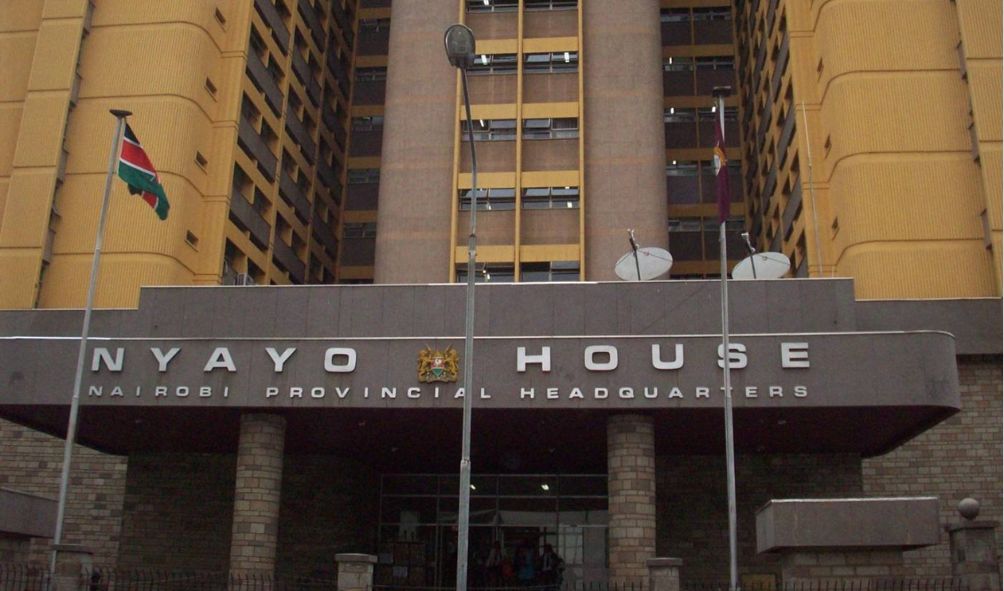
The government is planning to relocate the State Department for Immigration and Citizen Services headquarters from Nyayo House to a new location to combat the corruption historically associated with the site. pic.twitter.com/R5v8f1Kpo2
— Cyprian, Is Nyakundi (@C_NyaKundiH) September 28, 2024
Bitok stated that this would increase the department’s professionalism and position it as a vital national service.
“Because these are people who are responsible for the very critical work of ensuring that they gather our documents,” he added.
“So, we are working hard to ensure that the migration is professional, and we have made a proposal that soon we may need to get a new address to help us get that, that new face.”
He went on to say that discussions are ongoing, and consultations with the government are underway to ensure a smooth transition.
Nyayo House, where passports, a critical government document, are processed, has long been the subject of corruption allegations.
The passport issuance process is a multibillion-Ksh industry, with tight control over supplies and tenders for essential items like ink, booklets, and related services.
Frequently, backlogs in passport applications appear to be caused by corrupt cartels.
This manipulation creates a sense of urgency in applicants, compelling them to use bribery to expedite the issuance of their documents.
One of the key components of this reform is relocating the department’s headquarters from its current location at Nyayo House, a building long associated with corruption.
“Our current location has been tainted with many past issues. We’re working hard to secure a new face for immigration—one that serves Kenyans and foreigners with the highest professionalism,” stated Bitok.
The Principal Secretary was unambiguous in his desire to dispel the department’s association with corruption, which has persisted at Nyayo House for decades.
“The history and ills of Nyayo House are not something we’re proud of,” he remarked. “We’re in talks to determine if moving out is the best way to demonstrate our commitment to doing things differently.”
Reforms have come under increasing pressure from a variety of sectors, including the National Assembly.
Interior Cabinet Secretary Kithure Kindiki had previously vowed to confront corruption at Nyayo House, describing it as a “crime scene” that was directly contributing to national issues like insecurity and terrorism.
Bitok’s announcement comes as the department is dealing with a backlog of over 90,000 uncollected passports, which is straining its storage facilities.
To alleviate the pressure, the government has urged applicants to collect their documents.
Many people believe that relocating immigration services and establishing an independent body is a necessary step toward restoring public trust in a sector that has been under fire for far too long.
The challenge now is to ensure that these reforms become concrete actions that improve the lives of all Kenyans, rather than empty promises.
Gov’t Plans To Relocate From Nyayo House For Immigration Department ‘Independency’