Kenya’s Church Council Prohibits Pulpit Politics In Member Churches
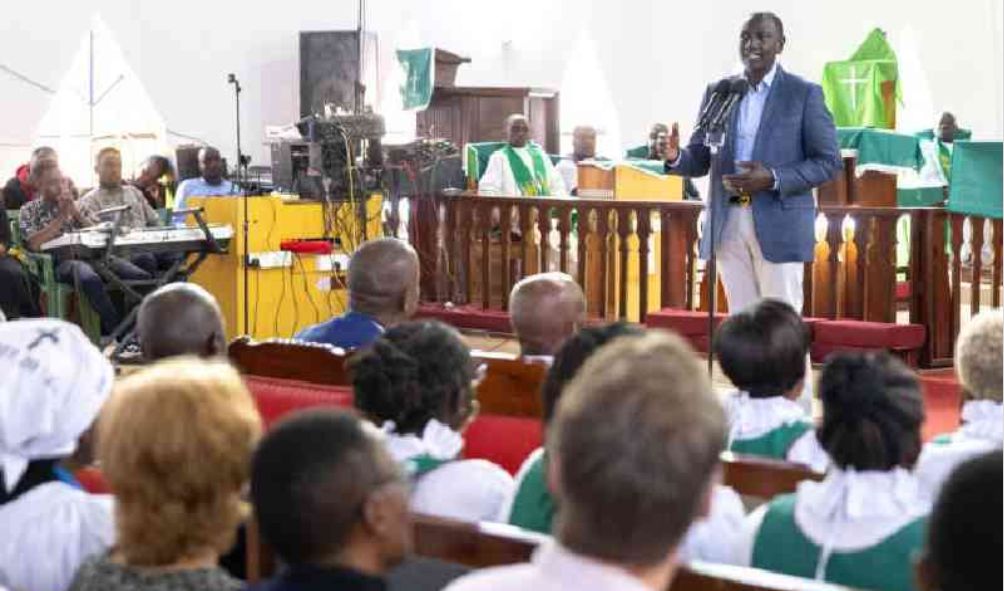
The National Council of Churches of Kenya (NCCK) has prohibited any political activities in its member churches, including political speeches and announcements of contributions.
This comes just a week after the Anglican Church of Kenya (ACK) issued a strong declaration prohibiting the opposition from addressing its congregation at Nairobi’s St. Stephen’s Cathedral.
Archbishop Joseph Ole Sapit oversaw the project in all of the church’s nationwide locations.
NCCK has struck politicians another blow by releasing eight new principles for governance and putting an end to politics from the pulpit.
NCCK Bans Politics In Church:
— Citizen TV Kenya (@citizentvkenya) March 23, 2025
NCCK issues guidelines outlawing politics in church
Politicians can address congregants outside church
Monetary contributions will not be announced
Clergy urged not to endorse or oppose politicians
President Ruto says he will continue church… pic.twitter.com/5P21JOZJN2
In a statement made during an executive committee meeting in Limuru, Kiambu County, NCCK indicated that politicians should be encouraged to address the public or media outside the worship sanctuary from now on.
Furthermore, any monetary contributions made by politicians should be handled the same as any other member’s offerings, with no funfair or announcement.
The declaration also warns religious leaders not to endorse or oppose politicians or political parties, and to maintain the church’s objective voice.
ALSO READ:
- Kenya’s David Munyua Heads Back To PDC World Darts Championship
- A Man Dies In Police Custody, Family Says Victim Had Mental Illness
- DP Kindiki Makes A Ksh39 Billion Projects’ Pledge To Meru, Slams Local Leaders
- FKF Issues Way Forward On Kenya Premier League’s New Season
- Court Rules On 8 Utumishi Girls Fire Suspects, Explains Reasons Behind
The church is also advised not to overemphasize the importance of political figures who attend services in order to avoid projecting a higher level of importance than other church members.
The letter goes on to add that the clergy should, on behalf of the congregation, raise any issues of concern with legislators who attend services that relate to their areas of responsibility.
The instruction also encourages church leaders to maintain unity of purpose and ensure that these rules are followed in their respective congregations.
Kenya’s Church Council Prohibits Pulpit Politics In Member Churches