Government Clarifies Ndindi Nyoro’s Fuel Levy Loan Claims
The government, through the Ministry of Transport and Roads, has issued a statement clarifying charges that the fuel levy was used to secure a Ksh175 billion loan.
Cabinet Secretary Davis Chirchir stated in a statement that when the Ruto administration took office, it inherited a significant backlog of pending bills in the roads sector totaling Ksh175 billion.
The invoices arose from commitments made by the previous administration but remained unfulfilled, causing the suspension of over 580 road projects throughout the country.
As a result, to handle the outstanding bills, the Kenya Roads Board (KRB) securitized the gasoline levy in order to pay them off and restart the stalled projects.
In this context, KRB used securitization to sell the rights to a Special Purpose Vehicle (SPV) to receive a portion of the future Road Maintenance Levy, precisely Ksh7 from the current Ksh25 per litre levy.
This meant that Ksh18 would go to KRB and Ksh7 would be used for security.
FUEL PRICING
— KBC Channel 1 News (@KBCChannel1) July 16, 2025
Government denies fuel hike linked to borrowing
Energy CS-no new taxes introduced
Fuel levy rose from Ksh.18 to Ksh.25 in July 2024
Price hike driven by taxes that vary with insurance, and freight values#KBCniYetu ^RW pic.twitter.com/GkmrOx9pcG
In this approach, the SPV, which operates as an independent organization, generates funds upfront based on these rights and utilizes them to pay the verified pending bills.
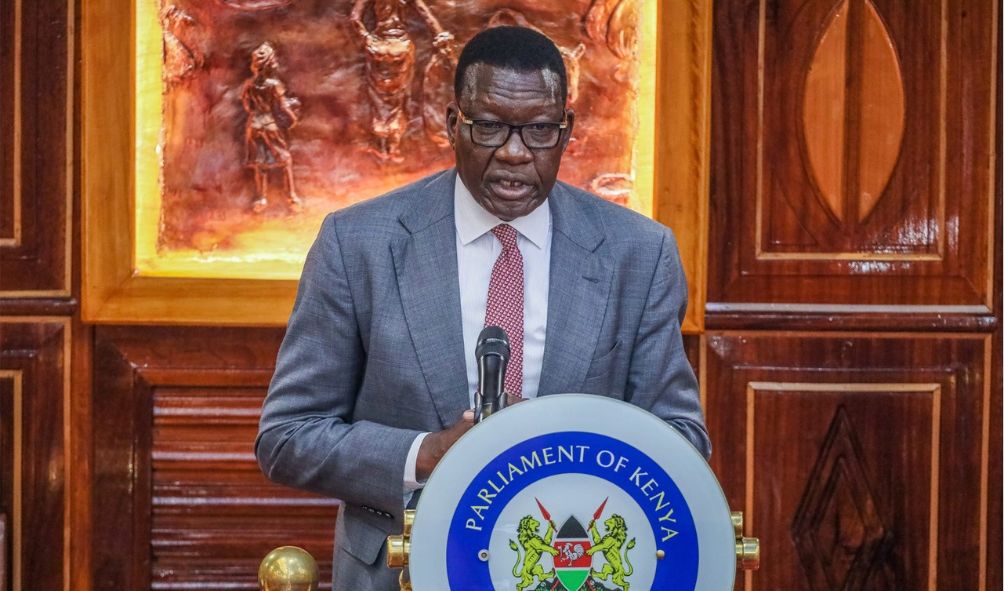
The Ministry’s statement contradicts Kiharu Member of Parliament (MP) Ndindi Nyoro’s charges, which stated that the government surreptitiously implemented an additional Ksh7 gasoline fee during a period when world oil prices were falling.
According to Nyoro, this was more than just a revenue-raising strategy; the charge was allegedly used as security to secure the Ksh 175 billion loan.
He was commenting following the Energy and Petroleum Regulatory Authority’s (EPRA) most recent fuel evaluation, which revealed a dramatic increase in fuel costs.
The Ministry of Energy ascribed the spike to foreign market swings, but Nyoro argued that the government engaged in “secret borrowing.”
“We saw fuel prices go up drastically yesterday, and the explanation given by the government is not accurate,” Nyoro stated.
Fuel Prices, Fuel Levy and profligate borrowing.
— Ndindi Nyoro (@NdindiNyoro) July 15, 2025
We are African and Africa is our Business.. pic.twitter.com/xPEYhi3tON
“Blaming global oil prices falls short of the reality. Over the past year, the highest fuel prices we have seen were actually on June 17, 2024.”
He further alleged that the Ksh175 billion was not represented as debt on the government’s books.
“It can only pass as an illegal debt because whatever is not accounted for is illegal,” he noted.
ALSO READ:
- “Hormuz Is Not Closed!” – Iran Tells Kenya Amidst Price Spike Concerns
- Nderitu Gachagua’s Family Writes To Ruto Over Possible Forged Will
- Kenya Replaces South Africa In The G7 2026 Meeting In France
- ‘We Want A New ODM!’ – Winnie Odinga Declares In The Impromptu Visit At Oburu Faction’s SDC
- NTSA Withdraws Instant Fines System, Calls For Public Clarity
However, the ministry stressed that the decision to securitize was made in full transparency, legality, and accountability.
“All statutory requirements were fulfilled, and the process underwent due diligence, approvals, and oversight by the National Treasury and the Attorney General’s office to ensure compliance with Kenya’s financial laws,” noted the ministry.
Further, it explained that before deciding on securitization, the government had considered several financing options to address the payment of the pending bills.
As per the ministry, securitisation was the most viable and legally sound mechanism to unlock funds in a manner that does not burden the exchequer with additional debt.
Government Clarifies Ndindi Nyoro’s Fuel Levy Loan Claims