U.S.-Israeli Bombardments Devastate Iran’s Tehran As Strikes Intensify
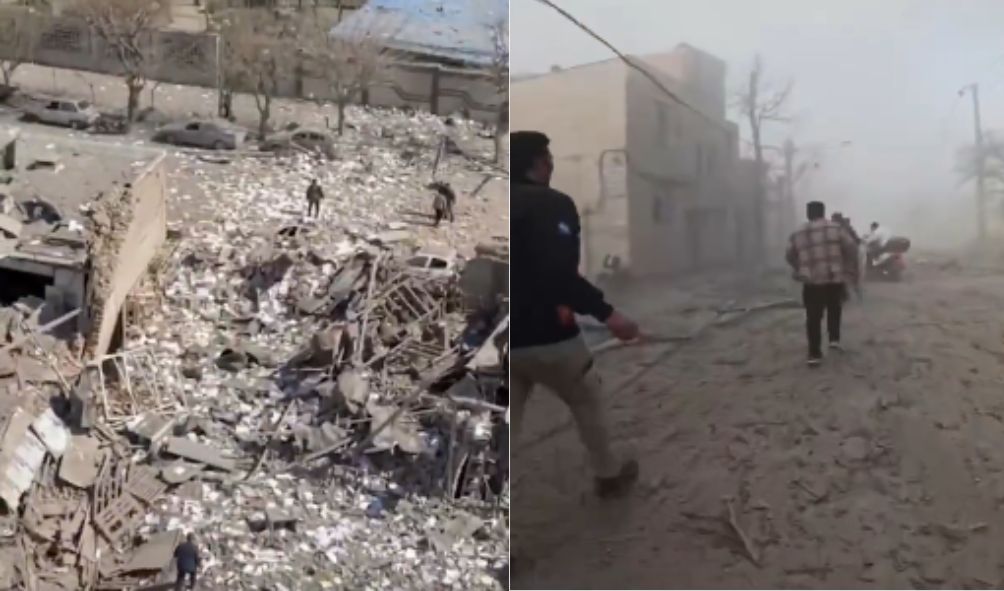
Iran’s capital, Tehran, has been heavily attacked since strikes began on February 28, as the US and Israel target military and political targets in an attempt to destabilize the Islamic regime.
However, other places have been affected as a result of the strikes.
Iranian officials reported more than 160 people were murdered, including children, when a girls’ school in Minab was bombed on Saturday.
The White House says the US is looking into the incident, but it does not involve people.
🇺🇸🇮🇱🇮🇷 Residential blocks are being wiped out by US-Israel airstrikes across Tehran https://t.co/4kBn6s4Kz5 pic.twitter.com/VBYagMYfyg
— Lord Bebo (@MyLordBebo) March 5, 2026
According to the US-based Human Rights Activists News Agency (HRNA), more than 1,100 Iranian civilians have been murdered since hostilities began.
“What we are experiencing now is beyond what we experienced during the 12-day war,” one local living in Tehran tells BBC Persian, referring to the conflict between Israel and Iran last year.
While some Iranians claim the repeated attacks have made them scared for their family, others see the regime as fearful and express optimism about the country’s future.
The initial wave of strikes killed Iran’s Supreme Leader Ayatollah Ali Khamenei, but air raids have shown little sign of easing in the days after.
“Each day has felt like a month,” Salar says. “The volume of attacks is so high.”
He claimed that a recent air strike shook his entire house and that he had to leave his windows open to prevent the glass from shattering.
Tehran tonight. Western media and Elon’s algorithm don’t want you to see how the US and Israel are carpet bombing civilian areas. This is what terrorism looks like pic.twitter.com/ddreyQh2ij
— Hadi (@HadiNasrallah) March 4, 2026
Today Trump & Hegseth began dropping 2000 pound bombs on Tehran, a densely populated city of 9M people.
— Morgan J. Freeman (@mjfree) March 4, 2026
I guess we’re not trying to free the Iranians anymore huh? Just blow them to bits. pic.twitter.com/nSM9UWp2Ss
International news organizations are frequently denied visas to Iran, significantly limiting their capacity to acquire information on what is going on within the country. Internet outages exacerbate the situation even more.
Most people are staying indoors, only going outside for necessities.
The regime appears to have increased its security presence on the streets, which Iranians have seen as a response to the dissent shown following the ayatollah’s death.
“There are checkpoints everywhere. They’re scared of their own shadows,” says one 25-year-old student in Tehran.
“We’re waiting for the grand moment, the final moment, when we all go out and we will be victorious.”
The price of staples like eggs and potatoes has also skyrocketed, he said, and the queues for petrol and bread “are unbelievable”.
Another resident of the capital tells the BBC that most shops are closed and some cash machines are out of service, though supermarkets and bakeries remain open.
Tehran feels “empty”, and anyone leaving their home must have an “urgent reason”, she says.
“On the first day, people were chanting and everyone seemed happy. But now there are police forces around.”
Salar described threats from security forces about speaking out against the country’s regime.
While getting access to independent information has been hard, Salar says Iranian security forces have been making their demands clear.
“Every day they send SMS messages warning that if we go outside, they will deal with us harshly,” he says.
“A message came saying that if anyone among you goes out and protests ‘we consider you Israeli collaborators’.”
He believes the tone of the message suggested that anyone who disobeyed would be dealt with forcefully, or even killed.
BBC Persian also spoke to Kaveh, whose name has also been changed, who lives in Zanjan, a city around 275km (170 miles) north-east of Tehran, which has also been targeted.
“In the first three days, our city was heavily bombed,” he says. “We live in an area where fighter jets constantly pass overhead.”
He adds that, following the outbreak of war, the sky had been constantly cloudy from the columns of smoke rising from the sites of air strikes – an image he describes as “simultaneously beautiful and horrifying”.
ALSO READ:
- Kenya’s David Munyua Heads Back To PDC World Darts Championship
- A Man Dies In Police Custody, Family Says Victim Had Mental Illness
- DP Kindiki Makes A Ksh39 Billion Projects’ Pledge To Meru, Slams Local Leaders
- FKF Issues Way Forward On Kenya Premier League’s New Season
- Court Rules On 8 Utumishi Girls Fire Suspects, Explains Reasons Behind
Salar says he sent his parents north, though he wasn’t sure which cities would be safe.
Their house is in the Shariati neighbourhood of Tehran, where there are many military facilities that have been targeted.
“My mother was in very bad shape – she was very frightened,” he says, adding that the current strikes are worse than any she experienced during the eight-year Iran-Iraq war in the 1980s.
More people continue to leave Tehran as each day passes, he adds, but it is not an option for everyone.
“My friend’s grandmother is ill and they can’t move her.” The internet blackouts have also made it extremely difficult for Iranians to contact their loved ones.
U.S.-Israeli Bombardments Devastate Iran’s Tehran As Strikes Intensify