Imported Sugar Flagged By KEBS As MPs Question Its Safety
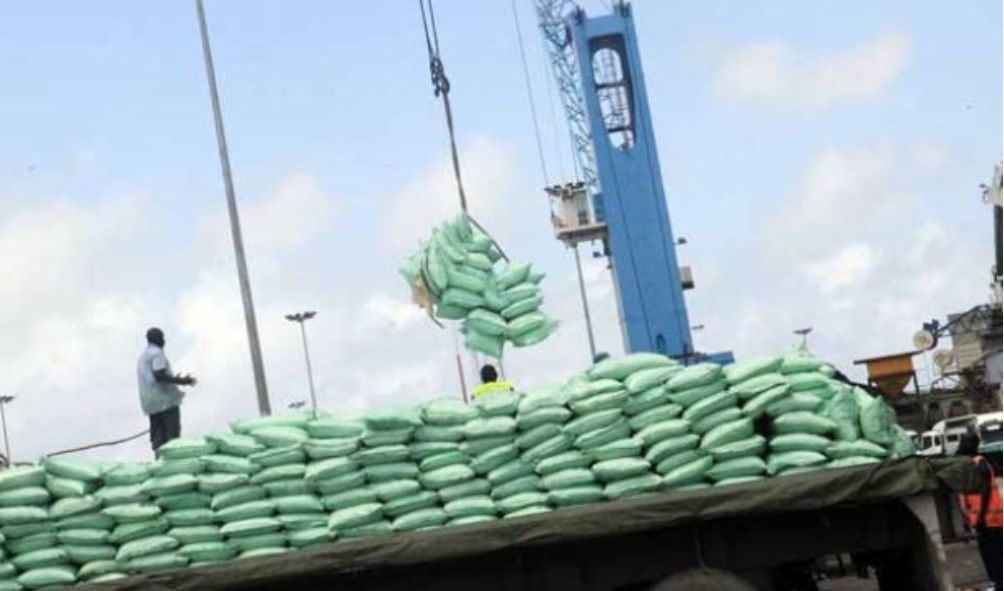
Members of parliament have raised an alarm over fears of a potentially harmful 27,839 metric tonnes of sugar imported into the country that might have found its way into the Kenyan markets.
The concerns were raised during a National Assembly Departmental Committee on Trade, Industry and Cooperatives meeting with officials from the Kenya Sugar Board on Tuesday, May 12.
During the session, the MPs grilled KSB officials over the handling and whereabouts of over 27,839 metric tonnes of sugar that was imported by the Mombasa Sugar Refinery Limited and is valued at around Ksh1.5 billion.
According to the legislators, the sugar in question was flagged by the Kenya Bureau of Standards (KEBS) after tests reportedly showed it only met standards for raw sugar meant for further refining and therefore was not fit for consumption.
MPs further questioned how the sugar was reportedly moved from Mombasa to Nairobi without clear documentation that authorised the transfer.
“There is no clearance document provided in your documentation,” stated committee chairperson Benard Shinali.
“We need to see the document that authorised the movement of MSRL sugar from the Mombasa Warehouse to the Nairobi Warehouse.”
Before adding, “We require the answers urgently so we can know Kenyans’ lives are safe.”
A House committee has directed the Kenya Sugar Board (KSB) to provide details of the 27,000 metric tonnes of South African raw cane sugar following allegations that it is not fit for human consumption. via @PeopleDailyKe pic.twitter.com/Ct2HrhxGBq
— Mzalendo (@MzalendoWatch) May 13, 2026
Lawmakers also expressed fears that the consignment could be diverted into retail outlets, citing previous incidents where sugar declared unsafe allegedly ended up in the local market.
But in response, KSB Chief Executive Officer Jude Chesire assured the MPs, maintaining that the sugar in question had not been released to the consumer market and that it is under strict surveillance.
“We hired police officers to guard the consignment already in Nairobi, and it was locked and sealed,” Chesire said.
“Those are the measures that we have ensured we meet the conditions provided by MAT in actually securing this consignment.”
When the consignment is moved to the Kisumu warehouse, the board assured that the trucks transporting the sugar will be electronically tracked.
According to the board, the consignment was initially stored at a bonded warehouse at the Kenya Ports Authority in Mombasa before transportation to Nairobi under the supervision of a multi-agency team.
ALSO READ:
- Kenya’s David Munyua Heads Back To PDC World Darts Championship
- A Man Dies In Police Custody, Family Says Victim Had Mental Illness
- DP Kindiki Makes A Ksh39 Billion Projects’ Pledge To Meru, Slams Local Leaders
- FKF Issues Way Forward On Kenya Premier League’s New Season
- Court Rules On 8 Utumishi Girls Fire Suspects, Explains Reasons Behind
KSB Director for Regulation and Compliance Samwel Kembo told MPs that the sugar remained intact and sealed throughout the process.
“The sugar was never diverted or distributed in the country,” Kembo said, adding that the first batch transported through the Standard Gauge Railway arrived in Nairobi on May 3.
The sugar in question was imported from South Africa and arrived at the port of Mombasa in early February.
However, after its arrival, the consignment was officially flagged and placed under a multi-agency verification lock by customs and regulatory teams in March following the discovery of the unmanifested 1,481-tonne excess.
The development comes even as the government intensifies efforts to boost local sugar production and end imports.
Imported Sugar Flagged By KEBS As MPs Question Its Safety