Ex-BBC Journalist Reports Death Threats Over Dangote Lamu Refinery
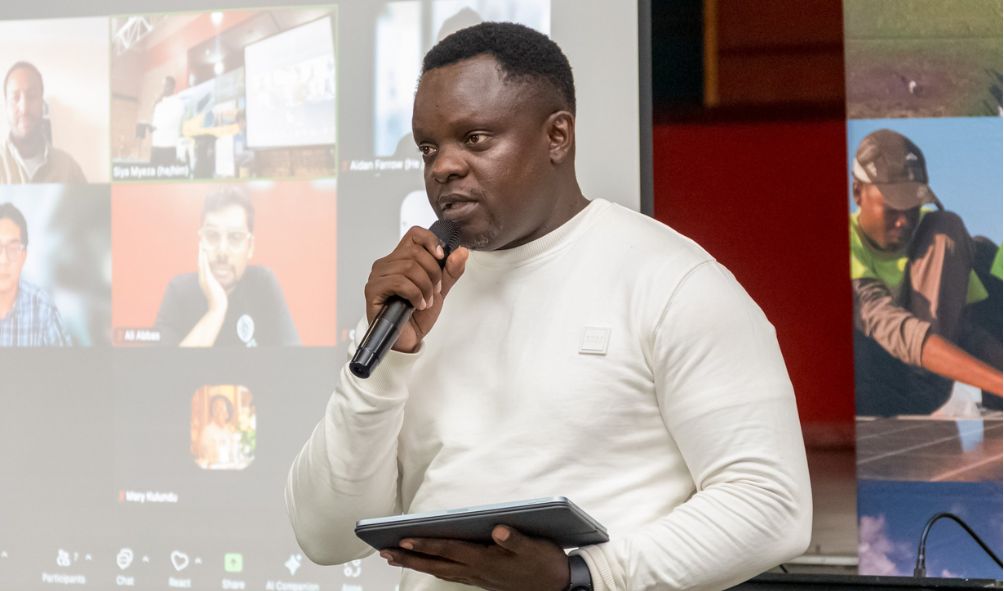
Ferdinand Omondi, a former BBC journalist, claimed he received death threats and violent texts after questioning Aliko Dangote’s proposed oil refinery project in Lamu.
Omondi stated in posts on his social media sites on July 17 that the backlash started after he expressed worries about the project’s potential impact on local communities.
He is now the Communications Lead for East and Southern Africa at Greenpeace Africa.
According to Omondi, the threats were largely directed at X, where some individuals attacked and derided him using Swahili slang.
“So I’ve recently received death threats and threats of violence on social media. Why? Because I asked a few very simple questions about the proposed Dangote refinery in Lamu,” Omondi said.
Not every uncomfortable question is anti-development, and not every expensive project is automatically a good one.
Greenpeace Africa’s role is to test the claims against the evidence. If that sounds inconvenient, it is probably because the questions are the right ones. https://t.co/kOK6auTqm0— FERDINAND OMONDI (@FerdyOmondi) July 16, 2026
Fun fact: Kenya already gets the vast majority of its electricity from renewable energy, led by geothermal, hydro, wind, and solar.
So this is not a case of “Kenya needs fossil fuels to develop.” Kenya does not need to bet its future on fossil fuels to rise. It is already… https://t.co/UtXILJYSQg— FERDINAND OMONDI (@FerdyOmondi) July 16, 2026
He said one social media user went so far as to suggest they now understand why some regimes target people like him, which Omondi found very distressing.
Rather than responding to his questions, Omondi said some critics circulated screenshots of his LinkedIn profile.
He highlighted his employment at Greenpeace Africa as though they had exposed wrongdoing.
“They shared screenshots of my LinkedIn profile like they had uncovered state secrets and exposed me,” Omondi said.
There is a real and important debate happening around the proposed Dangote Refinery in Lamu.
For many people, the first reaction is understandable: this looks like development for the people of Lamu and Kenya. Thousands of jobs. Big investment. National attention. A project of…— FERDINAND OMONDI (@FerdyOmondi) July 15, 2026
“Yes, I work for Greenpeace Africa. I’m the communications lead for East and Southern Africa.”
“My profile is public. No, that’s not a crime or a secret. Then came the insults, especially on X,” he added.
“Questions about where our office is. And one person even said they now understand why some governments kill people like us.”
ALSO READ:
- Kenya’s David Munyua Heads Back To PDC World Darts Championship
- A Man Dies In Police Custody, Family Says Victim Had Mental Illness
- DP Kindiki Makes A Ksh39 Billion Projects’ Pledge To Meru, Slams Local Leaders
- FKF Issues Way Forward On Kenya Premier League’s New Season
- Court Rules On 8 Utumishi Girls Fire Suspects, Explains Reasons Behind
Omondi said his questions focused on the potential impact of the proposed refinery on Lamu residents.
This includes whether communities had been informed about possible displacement and whether a comprehensive environmental impact assessment had been conducted.
He also questioned the potential impact of the project on mangrove forests, fishing grounds, farmland and ancestral land, arguing that these issues deserved public scrutiny.
Despite the backlash, Omondi maintained that raising such concerns was necessary to protect the interests of local communities and the environment.
The proposed Dangote refinery in Lamu is expected to cost about Ksh2.3 trillion (USD17 billion) and, according to the Ministry of Energy and Petroleum, will require about 5,000 acres of land.
The facility is projected to process up to 700,000 barrels of crude oil per day as Kenya seeks to strengthen its energy infrastructure and reduce supply disruptions.
Ex-BBC Journalist Reports Death Threats Over Dangote Lamu Refinery