Ruto’s KPC Sale Hits Another Hurdle As COFEK Warns Against Share Purchase
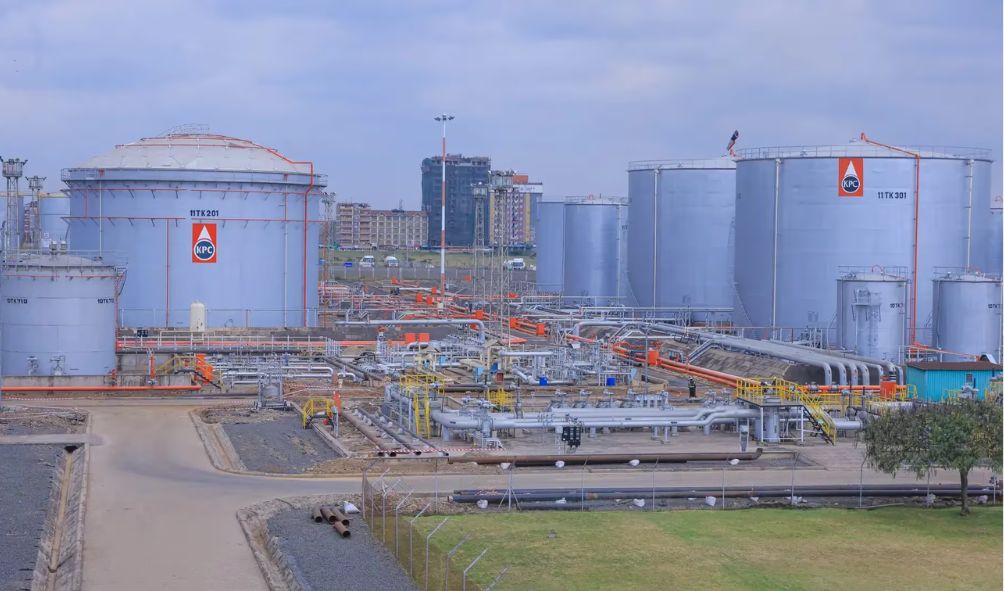
The Consumers Federation of Kenya (Cofek) has advised potential investors not to rush into purchasing shares in the Kenya Pipeline Company (KPC).
COFEK has noted that an ongoing court action could delay the privatisation process.
COFEK issued the warning as KPC aggressively pushes its Initial Public Offering (IPO), which began on January 19 and will continue until February 19, with the goal of raising billions from Kenyan investors.
“Consumers beware: The Kenya Pipeline IPO is still subject to a strong legal challenge to be determined on February 19, 2026. Until then, exercise extreme discretion on these misleading advertisements,” Cofek warned.
Consumers beware: The @kenyapipeline IPO is still subject to a strong legal challenge to be determined on February 19, 2026. Until then, exercise extreme discretion on this misleading advertisements @NSE_PLC @CMAKenya @PrivatisationKE @KeTreasury #CofekCares pic.twitter.com/EjWmg23iC0
— Consumers Federation of Kenya (COFEK) (@Cofek_Kenya) February 4, 2026
The consumer lobby group filed a case challenging the National Treasury’s proposal to partially privatise KPC through the Nairobi Securities Exchange (NSE), disputing the constitutionality of the entire process.
The High Court is set to begin hearing the matter on February 19.
The government is selling 11.81 billion shares, or 65 percent of KPC, at Ksh9 each, with the goal of raising Ksh106.3 billion for infrastructure development and debt reduction.
COFEK is concerned about potential irregularities in regional investor allocation, in which local elites could reportedly masquerade as Ugandan investors to gain preferential access to shares.
COFEK claims that this would deny ordinary Kenyans fair access to the shares while allowing well-connected individuals to profit from the public asset sale via backdoor agreements that undermine transparency.
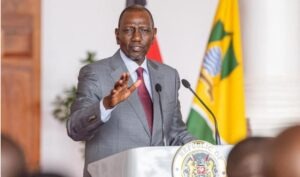
President William Ruto has previously responded to people opposed to the sale of KPC shares, including Kiharu MP Ndindi Nyoyo.
Want to apply for #KPCIPO shares? Start by getting a CDS account, your personal digital share account. Open it online through your bank or broker.
— KPC (@kenyapipeline) February 4, 2026
Hurry! The deadline is fast approaching. Dial *483*816# or visit https://t.co/wBMJfElaeI today.
Visit https://t.co/5vib3uiPUT to… pic.twitter.com/9ZCDZBbi0z
Nyoro asserts that Kenyans risk losing billions in the deal in which powerful government officials plan to disguise themselves as foreign investors to grab shares in KPC.
ALSO READ:
- WHERE ARE THEY? Street Beggars Vanish From Nairobi CBD Amid Foreign Nationals’ Crackdown
- TSC Issues Statement Over Rampant Fake Interview Charges
- Ruto Signs New Law Set To Reshape County Funding
- HELB Announces Loan Allocation For First-Time Applicants
- Ruto Orders Reduction In Electricity Tariff For Special Zones
Speaking at the Vijana Uongozini Event in Embu on January 28, the legislator warned that certain individuals intend to purchase shares while pretending to be Ugandan investors.
According to the IPO structure, 60 per cent of shares are reserved for Kenyan investors, 20 per cent for foreign investors, and 20 per cent for regional investors.
Nyoro argues that it is within this 20 per cent regional allocation that the alleged fraud could take place, claiming that local elites may pose as Ugandan investors to gain preferential access.
The outcome of the February 19 court hearing will determine whether the privatisation proceeds as planned or gets suspended, affecting thousands of investors and the government’s revenue targets.
Ruto’s KPC Sale Hits Another Hurdle As COFEK Warns Against Share Purchase