Ruto Makes New Deliberations On G-to-G Fuel Deal Amidst Impending Crisis
The government has approved an extension of the government-to-government petroleum sourcing agreement with Saudi Arabia.
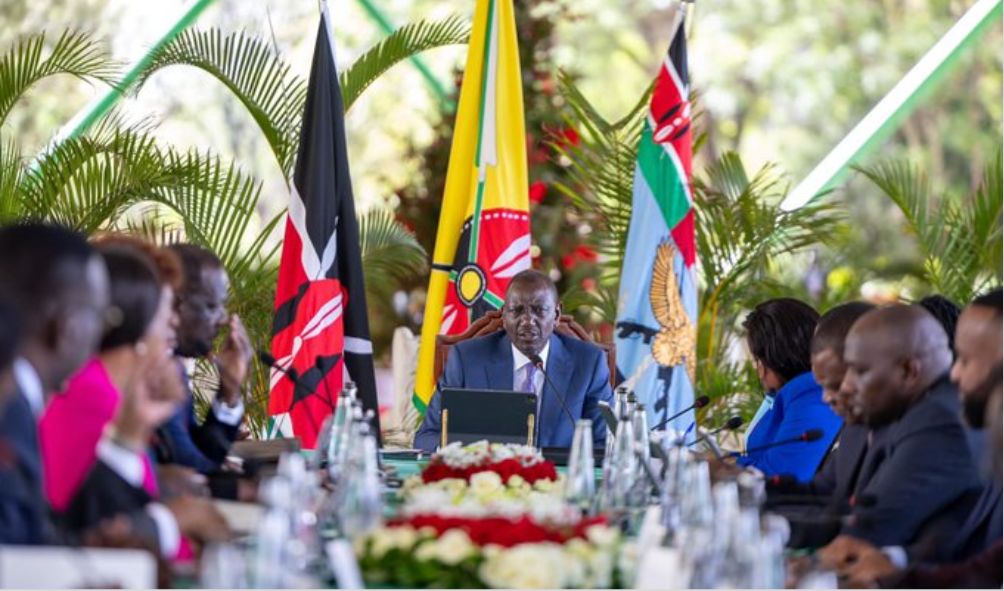
The decision was made following a Cabinet resolution passed on Tuesday, December 17, at State House Nairobi, presided over by President William Ruto.
President William Ruto chairs a Cabinet meeting at State House, Nairobi pic.twitter.com/pbkMnjm8Ao
— Citizen TV Kenya (@citizentvkenya) December 17, 2024
“The Cabinet has approved the extension of the Government-to-Government (G-to-G) arrangement for the import of refined petroleum products,” the Cabinet dispatch read in part.
According to the Cabinet, extending the agreement was vital because it has helped to alleviate pressure on the Kenyan Shilling.
Furthermore, the Cabinet disclosed that the government-to-government agreement has helped to stabilize petroleum costs in Kenya.
Kenya's Cabinet has today approved extension of the government-to-government petroleum sourcing arrangement with the Gulf.
— Julians Amboko (@AmbokoJH) December 17, 2024
The Cabinet memo is unclear as to the sunset date following the extension. Adios to OTS for good?
This comes just a month after GOK told the IMF that it… https://t.co/xXlvIgeJ9a
“This arrangement has eased the monthly demand for US dollars for petroleum imports, stabilising the shilling-dollar exchange rate at KSh129 from a high of KSh166 and reducing pump prices from KSh217 per litre of petrol to KSh177,” it added.
However, the Cabinet did not provide a specific date for when the contract extension will expire.
The decision to renew the agreement implies that Saudi Aramco, Abu Dhabi National Oil Corporation (ADNOC), and Emirates National Oil Company (ENOC) would continue to import petroleum products into the country on behalf of the government.
ALSO READ:
- Kenya’s David Munyua Heads Back To PDC World Darts Championship
- A Man Dies In Police Custody, Family Says Victim Had Mental Illness
- DP Kindiki Makes A Ksh39 Billion Projects’ Pledge To Meru, Slams Local Leaders
- FKF Issues Way Forward On Kenya Premier League’s New Season
- Court Rules On 8 Utumishi Girls Fire Suspects, Explains Reasons Behind
However, the decision is expected to result in budgetary conflicts between the government and the International Monetary Fund (IMF).
This is because Kenya told the foreign lender on November 6 of this year that it wished to exit the transaction.
According to records from the interaction with the IMF, Kenya’s government took the position in response to foreign exchange market inefficiencies.
The government also warned the international lender of an increase in the rollover risk of private sector financing facilities supporting the government-to-government importation agreement.
Ruto Makes New Deliberations On G-to-G Fuel Deal Amidst Impending Crisis