Kenya Explores New Health Partnerships After The US’ WHO Withdrawal
On Wednesday, January 22, the administration hinted at plans to work with other countries to overcome financing shortfalls caused by the United States’ exit from the World Health Organization (WHO).
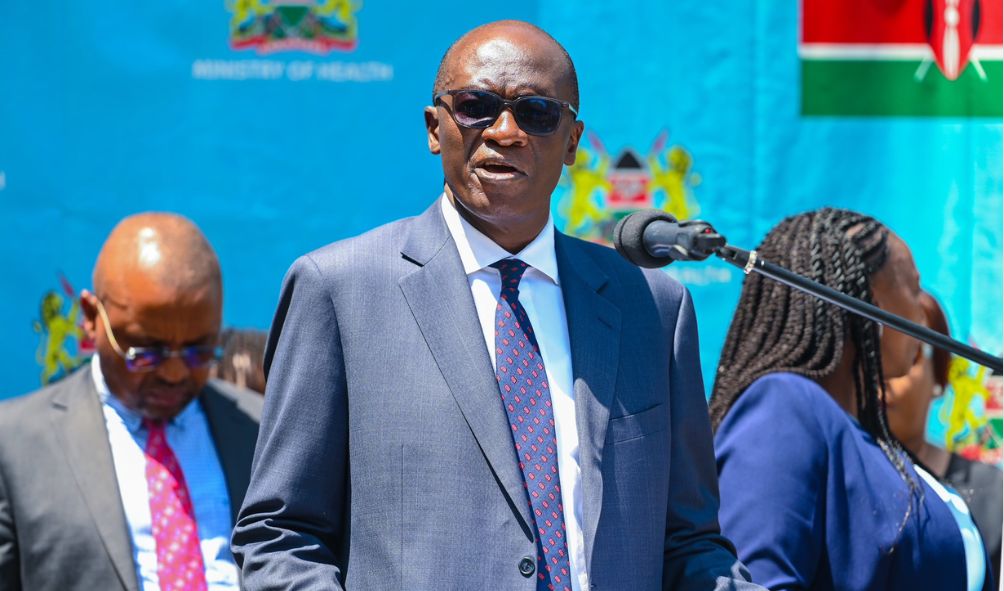
During a media briefing for the Ministry of Health, Director General Patrick Amoth stated that the government is open to new partnerships with other countries that will function as donors in the important health sector.
“Kenya is bolstering its health resilience through regional partnerships, increased domestic investments, and public-private collaborations,” stated Amoth.
“These efforts aim to secure health equity and sustain quality care for all Kenyans,” added Amoth while outlining the nation’s health strategy amidst global uncertainties.
𝐊𝐞𝐧𝐲𝐚’𝐬 𝐒𝐨𝐜𝐢𝐚𝐥 𝐇𝐞𝐚𝐥𝐭𝐡 𝐀𝐮𝐭𝐡𝐨𝐫𝐢𝐭𝐲 𝐒𝐮𝐫𝐩𝐚𝐬𝐬𝐞𝐬 𝟏𝟖.𝟐 𝐌𝐢𝐥𝐥𝐢𝐨𝐧 𝐑𝐞𝐠𝐢𝐬𝐭𝐫𝐚𝐭𝐢𝐨𝐧𝐬 𝐢𝐧 𝐔𝐇𝐂 𝐌𝐢𝐥𝐞𝐬𝐭𝐨𝐧𝐞
— Ministry of Health (@MOH_Kenya) January 22, 2025
𝐍𝐚𝐢𝐫𝐨𝐛𝐢, 𝐊𝐞𝐧𝐲𝐚 – The Social Health Authority (SHA) has reached a significant milestone, surpassing 18.2… pic.twitter.com/7iJTxqicZk
The move was prompted by President Donald Trump’s recent executive order, which signified the United States’ withdrawal from the World Health Organization.
The United States is the largest funder of WHO, paying for up to 20% of the global body’s annual funding.
The withdrawal is expected to cause considerable restructuring of the institution, potentially disrupting global health projects.
Despite hinting at a new national health strategy, Amoth emphasized the necessity of global cooperation in health concerns, stressing the impact of prior collaboration among global states in illness prevention.
“Our plea is that collectively, we are safer together as a whole world while individual countries are at liberty to make any major decision that suits them,” noted Amoth.
The HPV vaccine makes it a reality that cervical cancer can be eliminated, in line with the global strategy for the elimination of cervical cancer by 2030 – Dr. Patrick Amoth, Director General for Health. pic.twitter.com/G82ls4tTSn
— Ministry of Health (@MOH_Kenya) January 22, 2025
“Following lessons learnt from most of these outbreaks we are only safer together as one global community.”
In response, the United Nations expressed sadness over the US decision and urged the country to rethink.
“WHO plays a crucial role in protecting the health and security of the world’s people, including Americans,” stated UN spokesperson Tarik Jasarevic.
ALSO READ:
- Kenya’s David Munyua Heads Back To PDC World Darts Championship
- A Man Dies In Police Custody, Family Says Victim Had Mental Illness
- DP Kindiki Makes A Ksh39 Billion Projects’ Pledge To Meru, Slams Local Leaders
- FKF Issues Way Forward On Kenya Premier League’s New Season
- Court Rules On 8 Utumishi Girls Fire Suspects, Explains Reasons Behind
“We look forward to engaging in constructive dialogue to maintain the partnership between the USA and WHO, for the benefit of the health and well-being of millions of people around the globe.”
Meanwhile, the ministry said it has sent 2.3 million doses of BCG and 7 million doses of Measles-Rubella vaccinations to regional depots.
This came after a major scarcity threatened to derail the country’s immunization efforts.
The ministry also announced that fresh supplies of Rotavirus, Pentavalent, and Oral Polio vaccines were planned to arrive by February 2025 to ensure uninterrupted immunization services.
Kenya Explores New Health Partnerships After The US’ WHO Withdrawal