NAIROBI: KWS Captures Escaped Lionesses In Rongai
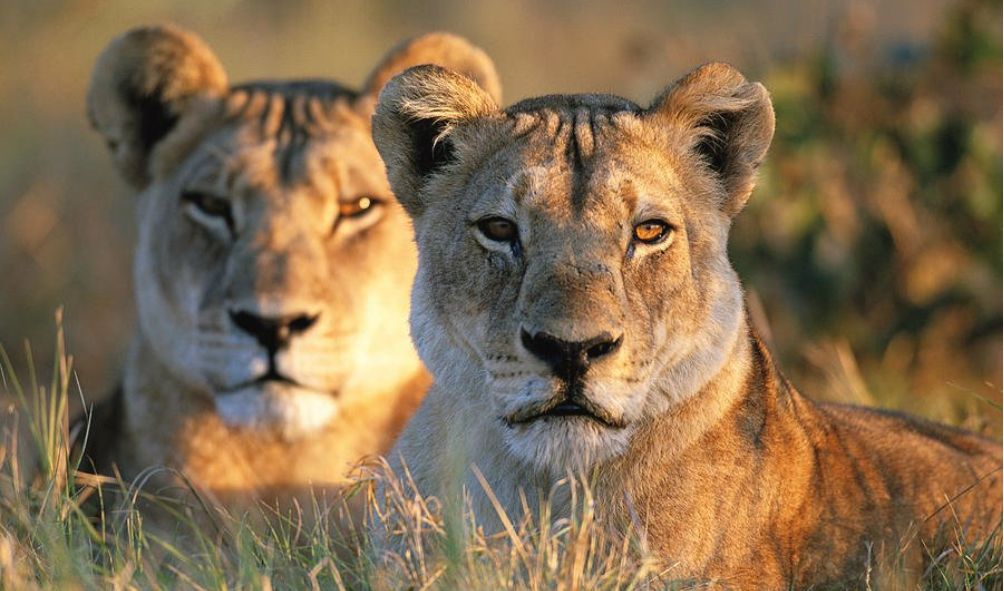
The Kenya Wildlife Service (KWS) has announced that two lionesses who wandered from Nairobi National Park to Sholinke Market in Rongai on Wednesday, January 7, have been safely caught and rejoined with their pride.
On the same day, KWS rangers, veterinary teams, and Rongai community members worked together to track down the lionesses who had ventured into human settlement areas.
𝐏𝐮𝐛𝐥𝐢𝐜 𝐀𝐝𝐯𝐢𝐬𝐨𝐫𝐲: 𝐊𝐖𝐒 𝐌𝐚𝐧𝐚𝐠𝐢𝐧𝐠 𝐓𝐰𝐨 𝐋𝐢𝐨𝐧𝐞𝐬𝐬𝐞𝐬 𝐒𝐢𝐠𝐡𝐭𝐢𝐧𝐠 𝐨𝐮𝐭𝐬𝐢𝐝𝐞 𝐍𝐚𝐢𝐫𝐨𝐛𝐢 𝐏𝐚𝐫𝐤 𝐢𝐧 𝐒𝐡𝐨𝐥𝐢𝐧𝐤𝐞 𝐀𝐫𝐞𝐚.
— Kenya Wildlife Service (@KWSKenya) January 7, 2026
Two lionesses from Nairobi National Park have been sighted in the Sholinke Trading Area, approximately 8.3 km… pic.twitter.com/OodAHKA0Jr
In an exclusive phone chat with local media, KWS Lead Conservation Technology Officer Victor Matsanza stated that the lions had been captured and securely returned to the group.
He revealed that one of the lionesses was collared, which made the tracking process more easier.
“Collaring involves fitting animals with ear tags and transmitters that use GPS or satellite technology to enhance surveillance and provide precise location data,” he explained.
Rangers conducted rigorous tracking efforts, some of which lasted overnight, on foot and by vehicle.
𝐔𝐩𝐝𝐚𝐭𝐞 𝐨𝐧 𝐓𝐰𝐨 𝐒𝐭𝐫𝐚𝐲𝐞𝐝 𝐋𝐢𝐨𝐧𝐞𝐬𝐬𝐞𝐬 𝐎𝐮𝐭𝐬𝐢𝐝𝐞 𝐍𝐚𝐢𝐫𝐨𝐛𝐢 𝐍𝐚𝐭𝐢𝐨𝐧𝐚𝐥 𝐏𝐚𝐫𝐤
— Kenya Wildlife Service (@KWSKenya) January 8, 2026
The two lionesses earlier sighted outside Nairobi National Park have been successfully tracked using the EarthRanger system and safely guided back into the park by… pic.twitter.com/prZP98K8C1
Matsanza emphasized the importance of community involvement in wildlife management.
“Local communities and conservancy teams often provide vital early warnings and information about straying animals, facilitating quicker responses,” he stated.
During the rescue effort, KWS used advanced conservation technologies, including the Earth Ranger system, which is also used to assess animal populations in conservancies.
KWS also deployed drones for real-time observation over large areas, which helped track down the cubs.
ALSO READ:
- Kenya’s David Munyua Heads Back To PDC World Darts Championship
- A Man Dies In Police Custody, Family Says Victim Had Mental Illness
- DP Kindiki Makes A Ksh39 Billion Projects’ Pledge To Meru, Slams Local Leaders
- FKF Issues Way Forward On Kenya Premier League’s New Season
- Court Rules On 8 Utumishi Girls Fire Suspects, Explains Reasons Behind
He did, however, highlight a key challenge in wildlife monitoring across the country.
He pointed out that tracking collars are only fitted to select lion prides and elephant herds due to high prices, with each collar costing between Ksh800,000 and Ksh1 million.
“This means that not all animals within a conservancy can afford to be collared, which sometimes makes tracking difficult,” Victor added.
The lionesses are now back in their pride, with the KWS team closely monitoring them to ensure the safety of both humans and wildlife in the area.
NAIROBI: KWS Captures Escaped Lionesses In Rongai