Bankers’ Association Warns of Higher Loans Following 2026 Finance Bill Proposal
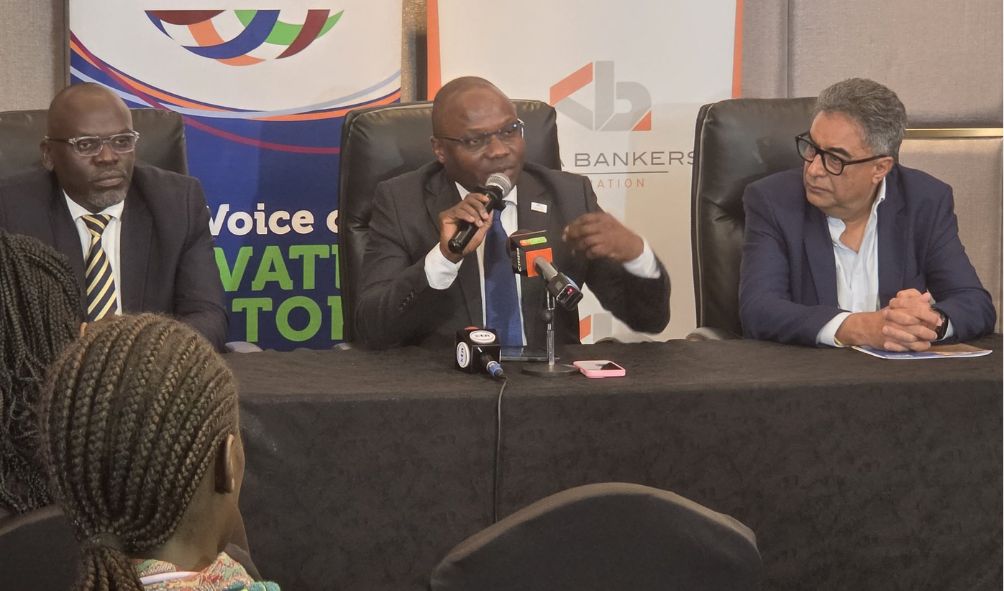
The Kenya Bankers Association has expressed concern that if the Kenya Revenue Authority is allowed to levy value-added tax on the sale of repossessed items, Kenyans may face increased loan costs.
The group, in its response to the tax appeals tribunal on Sunday, May 24, cautions that the plan in the 2026 finance bill will eventually raise the cost of credit for borrowers across the country.
According to the Association, it would advocate for revisions to the planned Finance Bill 2026 that exempt such transactions from VAT.
“We are proposing that a specific provision be introduced as part of the first schedule of the VAT Act,” stated an official from KBA.
The Kenya Bankers Association (@KenyaBankers) wants Finance Bill 2026 to bar the Revenue Authority from demanding Value Added Tax from the sale of reposessed/seized collateral to recover bad debts.
It’s the Association’s response to the Tax Appeals Tribunal’s judgement on… pic.twitter.com/REqFQQDeyx— Julians Amboko (@AmbokoJH) May 24, 2026
“We create a new paragraph that the sale disposal or realisation of collateral, repossessed assets or secured properties by or behalf of a financial institution where such sale disposal or realisation arises from enforcement of security in connection of a loan, or credit facility or other exempt financial service be part of the first schedule which exempt the financial service or any services from being charged vat,” she added.
The banks want the law modified so that the Kenya Revenue Authority cannot charge VAT on the disposal of repossessed collateral used to collect bad debts.
KRA has maintained that in auction sales of seized property, the creditor effectively steps into the shoes of the borrower and is therefore responsible for settling applicable taxes and levies.
The tribunal allowed KRA to continue with a 16 per cent VAT on the goods, something the bankers argue will severely affect them and their customers.
Kenyans are currently paying more income tax as individuals than companies pay in corporate tax.
PAYE currently stands at up to 35%, compared to 30% corporate tax, leaving workers with less take-home pay.
The proposed 5% PAYE reduction would help correct the imbalance, ease… pic.twitter.com/PxYzDQQdtd— Kenya Bankers Association (KBA) (@KenyaBankers) May 25, 2026
KBA argues that repossession and subsequent sale of collateral is not a profit-making activity but a recovery mechanism for unpaid loans, and should therefore not be treated as a taxable supply.
ALSO READ:
- Kenya’s David Munyua Heads Back To PDC World Darts Championship
- A Man Dies In Police Custody, Family Says Victim Had Mental Illness
- DP Kindiki Makes A Ksh39 Billion Projects’ Pledge To Meru, Slams Local Leaders
- FKF Issues Way Forward On Kenya Premier League’s New Season
- Court Rules On 8 Utumishi Girls Fire Suspects, Explains Reasons Behind
KBA warned that imposing VAT on such assets could distort the credit market and force banks to recover the additional costs from borrowers.
“If VAT on these assets continues, then banks will be forced to go back into their capital. It is not practical,” the representative said.
Before adding that the cost of lending would likely rise as financial institutions adjust to cover the tax burden.
“Kenya cannot tax its way into prosperity by undermining competitiveness, jobs, and investment confidence. We must move from taxing for survival to taxing for growth.”
— Dr. Jas Bedi, Chair, @KEPSA_KENYA#BeyondBanking pic.twitter.com/HoAUqZ2y5j— Kenya Bankers Association (KBA) (@KenyaBankers) May 25, 2026
The association maintains that repossessed asset sales are closely tied to credit facilities and should be exempt under the VAT Act.
It also argued that taxing them would increase lending costs and would automatically affect access to credit for ordinary borrowers.
Bankers’ Association Warns of Higher Loans Following 2026 Finance Bill Proposal