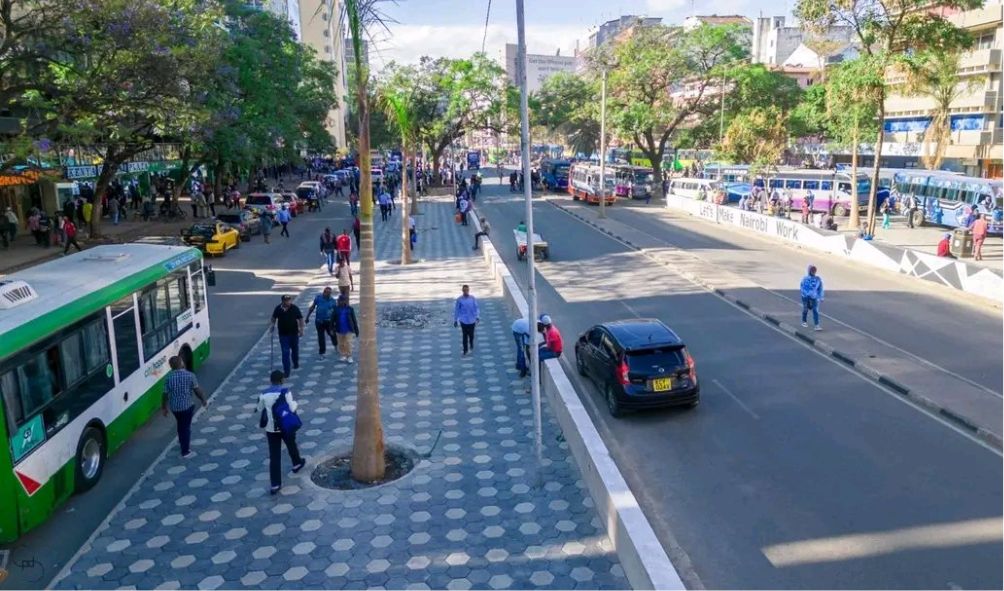
WHERE ARE THEY? Street Beggars Vanish From Nairobi CBD Amid Foreign Nationals’ Crackdown
President William Ruto’s decree to target foreign nationals involved in small-scale retail and hawking has resulted in an unexpected development in Nairobi’s core business district.
Streets that have long been known for relentless begging were mostly clear of beggars on Tuesday.
The finding has raised new concerns about long-held suspicions that some of those begging on Kenyan streets are part of cross-border networks that traffic vulnerable children and people with disabilities into the country.
One of the most noticeable changes occurred along Gaborone Road, which connects Racecourse Road at St Peter Claver’s and Tom Mboya Street near CGHU Primary School.
The stretch has for years been a familiar spot for street beggars, some of whom would station themselves along the road and at busy junctions to solicit money from pedestrians and motorists.
On Tuesday, however, none were visible along the stretch.
Other alleys and backstreets in the CBD that had become familiar spots for beggars and street families also appeared quieter than usual.
The apparent disappearance comes days after Ruto directed foreign nationals engaged in hawking and small-scale retail to stop operating businesses that he said should be reserved for Kenyans.
The directive initially gave affected traders until September 7 to comply.
It triggered anxiety among foreign traders, particularly Burundians, who scrambled for travel documents from their embassy in Nairobi amid fears of possible deportation.
The government on Tuesday, however, clarified that foreign nationals operating businesses in Kenya would be given 90 days to regularise their immigration status, work permits, business registrations and licences.
Government Spokesperson Charles Owino said the measures were intended to regulate small-scale retail and informal trade while protecting local livelihoods and vulnerable sectors of the economy.
The government has also stressed that the directive should not be interpreted as a licence to harass or discriminate against foreigners.
While the order has affected nationals from several East African countries, Burundians have been among those most visibly affected in Nairobi.
ALSO READ:
- Kenya’s David Munyua Heads Back To PDC World Darts Championship
- A Man Dies In Police Custody, Family Says Victim Had Mental Illness
- DP Kindiki Makes A Ksh39 Billion Projects’ Pledge To Meru, Slams Local Leaders
- FKF Issues Way Forward On Kenya Premier League’s New Season
- Court Rules On 8 Utumishi Girls Fire Suspects, Explains Reasons Behind
The situation has also put renewed focus on the persistent presence of foreign beggars in Kenyan towns and allegations that some are victims of organised trafficking.
In November 2024, the National Council for Persons with Disabilities raised concern over what it described as an influx of beggars, some suspected to have originated from neighbouring countries.
NCPWD Rift Valley Regional Director Isaac Rogito said investigative and security agencies had established that some beggars, particularly children, were victims of an East African criminal syndicate trafficking them to towns in the region.
He said traffickers allegedly brought victims into the country with promises that they would make money through begging, only for the proceeds to end up with the traffickers.
The latest disappearance of beggars from parts of Nairobi’s CBD does not, on its own, establish a direct link between the President’s directive and the networks alleged to be behind street begging.
However, the timing has brought the two issues into sharp focus, particularly because both involve the movement of foreign nationals across Kenya’s borders and the exploitation of vulnerable people.
The government’s new 90-day regularisation window means foreign nationals operating small businesses legally or seeking to regularise their status now have time to comply before enforcement measures begin.
WHERE ARE THEY? Street Beggars Vanish From Nairobi CBD Amid Foreign Nationals’ Crackdown