‘Kindiki’s Nomination Is Unlawful!’ – Renowned Lawyer Confirms
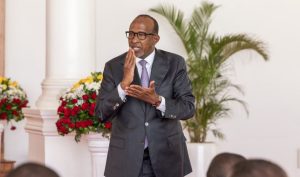
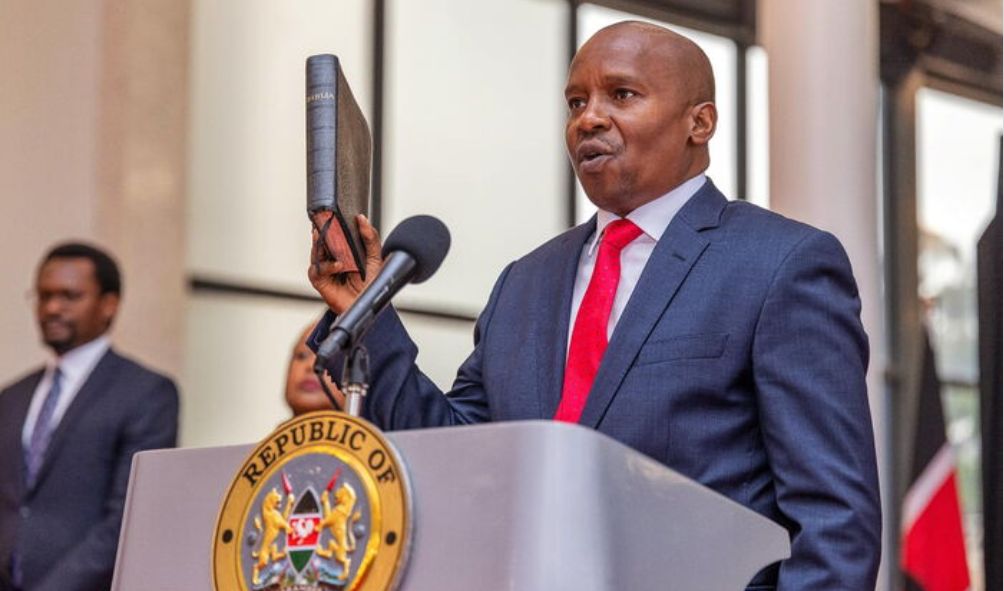
Willis Otieno, a city lawyer, has made some interesting claims that call President William Ruto’s nomination of Kithure Kindiki as the next Deputy President into question.
Kindiki was handpicked by the President on Friday, October 18, to succeed Rigathi Gachagua, after a majority of Senators voted to impeach the former Mathira MP.
The Interior Cabinet Secretary’s appointment, however, hit a stumbling block when the High Court blocked it until the case challenging Gachagua’s impeachment was heard.
The Senate’s resolution upholding impeachment charges against Gachagua was then suspended until October 24.
Despite all of this, Willis Otieno is arguing that regardless of what happens to Gachagua after Tuesday’s hearing, Kindiki should not be permitted to assume the Office of the Deputy President.
Key questions that Kenyans are asking on the nomination of Kithure Kindiki as DP;
— Willis Evans Otieno (@otienowill) October 22, 2024
Constitutionality: Was the IEBC sidelined in this process? If so, what does that mean for the legitimacy of the nomination?
Legal Implications: Could this open up the appointment to legal… pic.twitter.com/iNTvfPoRTQ
According to Senior Counsel Willis Otieno, Kindiki should have resigned as Interior Cabinet Secretary before being appointed by the President.
Furthermore, Otieno claims that the absence of an electoral body makes it impossible to appoint a Deputy President because the IEBC is required to vet a nominated candidate.
“The nomination of Kithure Kindiki is illegal,” Otieno divulged. “The qualifications of becoming a Deputy President as set out in Article 137 has the question of eligibility.
“One of the agencies to ascertain that a person is eligible to become a Deputy President is IEBC.
He continued: “Which IEBC gave Kindiki the green light to be nominated? There is no chairman, there are no commissioners. IEBC as presently constituted does not have the legal mandate to nominate or approve anyone as the Deputy President.”
Otieno, who is also the Safina Party’s deputy, added that the Deputy President’s position is technically vacant because a person cannot assume office if they are already a state officer.
Constitutional Qualifications
According to Article 137 of the Qualifications and Disqualifications for Election as President, a person who owes allegiance to a foreign state, is a public officer, or is acting in any State or other public office is ineligible for presidential nomination.
ALSO READ:
- Mandago Still In Hot Soup As Victim Families Demand Justice Despite Court Ruling
- Gov’t Issues Fresh Warning On Expected El Niño Rains
- Gov’t Breaks Silence On BATUK Military Training Deal
- Blow To Ruto’s UDA As Governor Kang’ata Joins DCP
- Ruto CS Forced To Defend Anti-Kikuyu Remarks As NCIC Closes In
The second clause, however, does not apply to the President, Deputy President, or Members of Parliament.
Meanwhile, the petition challenging Gachagua’s impeachment was heard by the Milimani Law Courts on Tuesday.
President William Ruto, on the other hand, has questioned the High Court’s authority to hear petitions challenging Gachagua’s impeachment.
The Head of State prefers that the Supreme Court handle the matter.
‘Kindiki’s Nomination Is Unlawful!’ – Renowned Lawyer Confirms