Kenya’s Medical Practitioners Threaten National Strike Over Gov’t Neglect
The country is on the verge of another doctor’s strike after the Council of Governors (COG) admitted it is unable to pay its financial responsibilities to healthcare workers.
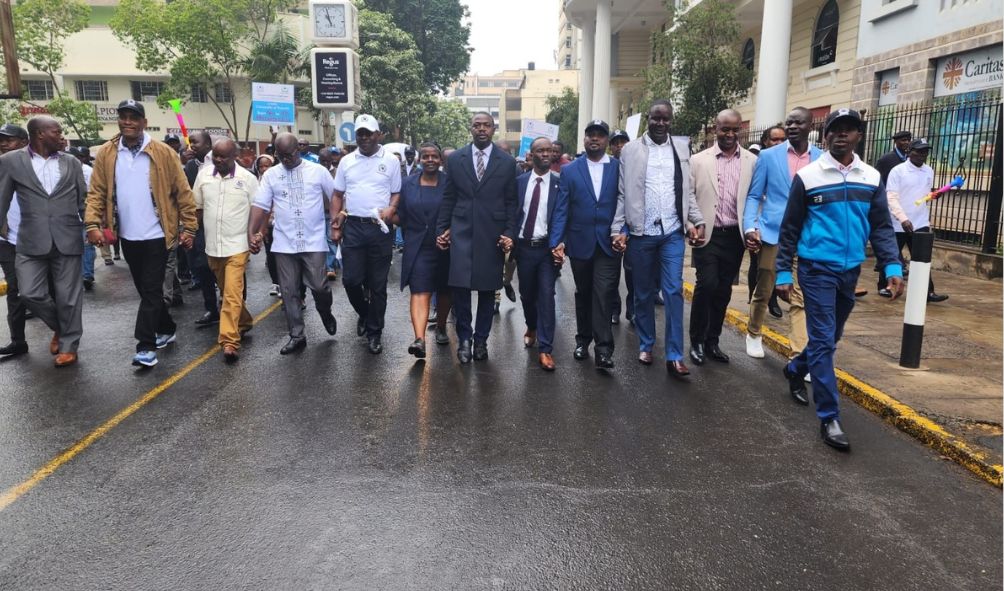
This dilemma comes as the Kenya Medical Practitioners, Pharmacists, and Dentists Union (KMPDU) prepares to strike in December if the government fails to keep its pledge to pay medical interns.
On Thursday, November 21, Ahmed Abdullahi, chair of the COG, stated that the Ksh2 billion increase in county funding was insufficient to meet mounting healthcare demands.
The minor increase in county funding, he noted, will dramatically disrupt operations, with doctors among the hardest hurt.
“We will also struggle to meet our end of the bargain with doctors,” Abdullahi said.
#InRetrospect 🗓 Redefining the milestones of a journey marked by great unpredictabilities. So much more remains to be achieved as we continue to make sacrifices while pushing forward for a fairer relationship with the employer. pic.twitter.com/tiTW7Bm6d8
— KMPDU (@kmpdu) November 21, 2024
He referred to the Collective Bargaining Agreement (CBA), which establishes payment arrangements for medical staff.
For doctors, the situation is exacerbated by unpaid arrears under their CBA agreement, which were intended to be resolved by the national government.
According to Abdullahi, the rise in national government funding is designed to help counties cover these costs.
However, it is evident that this amount falls far short of the Ksh11.5 billion required to meet wages and other non-discretionary expenses, forcing counties to look for alternative funding.
This development comes as the KMPDU continues to advocate for the settlement of past-due payments, including outstanding intern doctor salary.
The union has given the government until the end of November to fulfill the agreements, warning that failing to do so will result in strike action.
“We have already initiated contempt proceedings against all 47 counties and the national government. If they do not comply, December will see KMPDU strike again,” asserted KMPDU Secretary General Dr. Davji Atellah.
The Social Health Authority (SHA), which replaced the National Hospital Insurance Fund (NHIF) earlier this year, has had a rocky start, which is fueling the anger.
ALSO READ:
- New Police Uniform Set To Debut On August 31, IG Kanja Confirms
- Relief For Sifuna-Led Faction As Tribunal Issues Temporary Party Name Protection
- Kenya Airways Set To Introduce New Service For All From 2027
- Parliament Approves Ruto’s Controversial Appointees To TSC
- EXPLAINER: Why It Will Take Two Years To Change Names On Birth Certificates
Despite President William Ruto’s pledges that the new model, known as Taifa Care, would eventually change the healthcare sector, it has faced serious operational challenges.
One of Taifa Care’s primary promises, to provide universal healthcare, has been delayed, with hospitals unable to meet their costs due to payment backlog.
President Ruto, on the other hand, is optimistic about Taifa Care’s long-term viability, citing its streamlined structure and accurate healthcare service pricing.
“Once Taifa Care becomes fully operational, we will have a healthcare system that guarantees dignity, peace of mind, and equitable access for every citizen,” he proclaimed.
Kenya’s Medical Practitioners Threaten National Strike Over Gov’t Neglect