Panic Parents As Gov’t Reluctant To Procure Vaccine For Over 1.6M Infants
At least 1.6 million infants, a similar number of pregnant women, and 750,000 girls under the age of ten may miss out on essential vaccines since the government failed to meet a year-long supply after defaulting on a Sh2 billion debt to a worldwide supplier.
According to records obtained by the Sunday Nation, Kenya has not received the DTP (Diphtheria, Tetanus, and Pertussis) vaccination in ten months, with public hospitals reporting shortages.
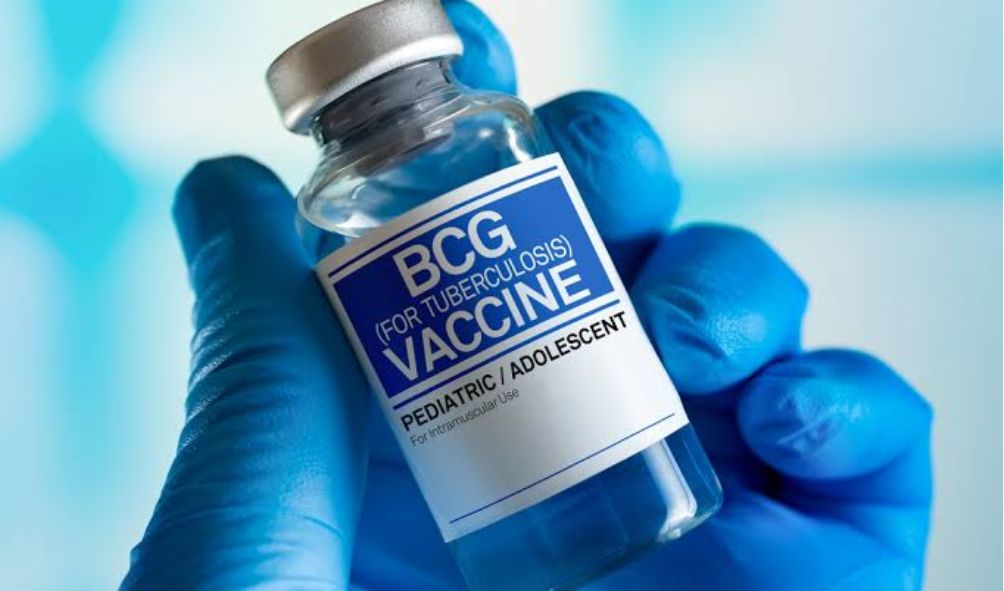
The BCG vaccine, which is administered at birth to prevent tuberculosis, has not been available for eight months.
TB, polio, measles, rubella, pneumococcal conjugate vaccination (PCV), rotavirus, inactivated polio vaccine (IPV), measles-rubella (MR), human papillomavirus (HPV), yellow fever vaccine, and malaria vaccines are all currently out of stock.
Every year, around 750,000 girls under the age of ten receive the HPV vaccine. Some hospitals’ remaining stock may not last more than a month.
It is suggested that a country keep at least eight months’ worth of each vaccine in its supply chain. These vaccine supplies may run out in two months.
The scarcity is due to insufficient funding, as well as delays and sporadic releases of funds for vaccine purchases.
Last month, almost 15,000 fewer children received vaccinations.
“A drop in immunisation coverage will likely result in a sustained threat of outbreaks and epidemics from vaccine-preventable diseases, putting millions of children at risk, contributing to increased infant and child mortality and a decrease in life expectancy,” says a document presented to the Ministry of Health.
A decline in immunization coverage, along with an increase in susceptible children and mothers, will most likely raise healthcare costs due to the treatment of vaccine-preventable diseases and consequences.
This will eventually reduce the quality of life due to diseases and disability.
Measles can cause blindness, whereas polio causes chronic disability and possibly death.
Measles outbreaks have occurred across the country since last year. There have been over 1,052 instances reported in Turakana, Mombasa, Samburu, Kilifi, Garissa, Meru, Nairobi, Kwale, and Wajir counties.
This year, the government lowered the vaccine budget from Sh2.6 billion to Sh1.2 billion, resulting in outstanding debts and a scarcity of Gavi-supplied vaccinations.
Kenya owes more than Sh500 million to Unicef, which procures and supplies vaccines to public hospitals on the government’s behalf. The Ministry of Health claims Gavi is owned Sh4.2 billion.
Acting Health Director-General Patrick Amoth agrees there is a vaccine shortage.
Thousands of children’s immunity could be weakened. With the country experiencing epidemics of cholera, dysentery, and other watery diseases, the risk of death is great.
The National Vaccines and Immunization Program has a crucial role in safeguarding the health of infants and children.
— National Vaccines & Immunization Programme Kenya (@VaccinesKenya) May 15, 2024
The BCG vaccine is a cornerstone of our efforts to give children the healthiest start to life. As a result, we ensure that the vaccine is administered from… pic.twitter.com/nue96idPgs
Kenya may miss out on over Sh6.5 billion in Gavi support, which includes funding for vaccinations, immunisation, and equipment, due to the government’s inability to pay its suppliers.
Gavi has supported the country’s introduction of various vaccines over the last 15 years, including PCV, IPV, MR, HPV, and yellow fever vaccine expansion.
Under the co-financing arrangement, the government pays around 15% of the six “new vaccines and safe injection devices” criteria each year.
This is to set the country on a path of self-sufficiency and prepare it for the phasing out of Gavi backing.
“With this, the country should be increasing its financing gradually in line with the Gavi policy, and ultimately be self-sustainable by 2030. However, the payment is reducing. Will we be able to finance and procure vaccines?” the document asks.
To completely wean itself off Gavi funding and management of its vaccine programme, assure continuous availability of supplies, and increase access to services, the government must ensure universal immunization by 2030.
However, Kenya faces a difficult challenge in providing appropriate immunization coverage.
“Kenya needs to procure and maintain a critical stock of emergency strategic vaccines of national importance (anti-rabies, anti-snake venom, hepatitis B and typhoid),” the document to the ministry says.
“The country has sufficient resources to finance vaccines and an effective procurement and supply mechanism is in place to ensure uninterrupted availability of vaccines.
“However, more than 50 percent cut in the budget for vaccine procurement undertaken in January 2024, and delays in the release of funds for vaccine procurement and payment of co-financing amounts due to Gavi means the country is unable to procure sufficient stocks.”
During the coronavirus epidemic that lasted from 2019 to 2022, over 600,000 Kenyan youngsters lost out on life-saving regular vaccinations.
The Health Ministry reports that at least 48,000 children do not obtain vaccinations each year.
The majority of these youngsters live in impoverished communities with limited access to basic necessities such as water.
Routine immunisation
Climate change, including droughts and flooding, strikes by health workers, and now an acute lack of vaccines, have all led to the resurgence of infectious diseases.
Routine immunization is a very successful public health intervention for key pediatric illnesses.
Over the previous two decades, the project has reduced Kenya’s burden of vaccine-preventable diseases by more than 70%.
It requires immunizing all children against a variety of diseases at birth and thereafter.
This continues until the infant acquires antibodies to dangerous infections.
“With no access to vaccines, children are vulnerable to preventable diseases. This puts their lives at risk and compromises their long-term health outcomes,” Dr Walter Otieno, a paediatrician said.
“Diseases like measles and polio, once on the verge of being eradicated, are making a comeback, threatening to undo decades of progress in public health.”
In a letter to the National Assembly Health Committee, the Health NGOs Network (Hennet) expressed worry about vaccination stockouts in hospitals, blaming the problem on budget cuts.
The network is comprised of Amref Health Africa, Waci-Health, Access to Medicines Kenya, Stop TB Partnership Kenya, TB Champions, and the Coalition for Health Research and Development, among others.
“The shortage of vaccines not only poses a grave risk to public health but also undermines the country’s efforts to achieve immunisation coverage targets and reduce the burden of vaccine-preventable diseases,” Hennet Executive Director Margaret Lubaale said.
The network requested the National Assembly to intervene and secure the timely distribution of funding to purchase vaccines.
Panic Parents As Gov’t Reluctant To Procure Vaccine For Over 1.6M Infants