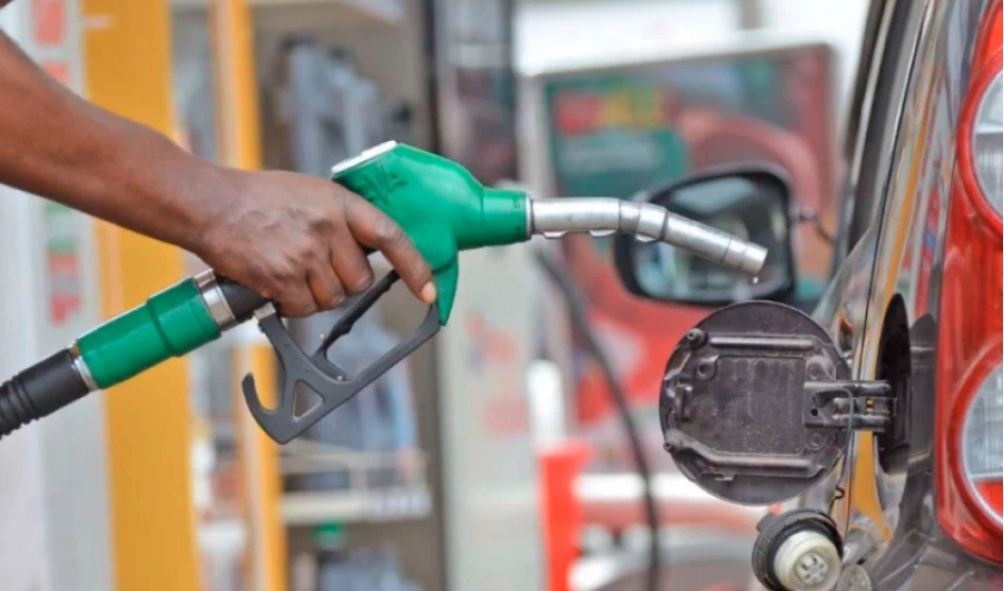
Gov’t Holds Emergency Meeting Over Concerns Of Fuel Shortage
The Cabinet Secretary for Energy and Petroleum, Opiyo Wanyayi, has called for an emergency meeting with the oil marketers.
This comes hours after holding talks with companies supplying oil to the country under the G-2-G agreement.
While responding to a question during the official listing of the Kenya Pipeline on the Nairobi Stock Exchange (NSE) on March 10, Wandayi said he will hold the meeting today while dispelling concerns of fuel shortage.
He further revealed that the government is in talks with the oil-producing nations with which the government has a G-2-G deal, such as Saudi Arabia’s ARAMCO.
This is in a bid to ensure that the oil in the country is sufficient for the longest time possible based on contingency planning, and thus there should be no reason for alarm.
This follows the situation in the Middle East, which is very dire, with Iran issuing the closure of the Strait of Hormuz.
The passage is responsible for 21 per cent of the global oil supply, as a result of the conflict in the region.
“We continue to engage very closely with our government-to-government suppliers, that is, Saudi Aramco, ADNOC and ENOC in terms of contingency planning,” Wandayi said.
He added, “For that reason, there is really no cause for alarm. In the short to medium term, we have security of supply, and we continue to monitor the situation very closely.”
This comes days after it emerged that Kenya is anxiously tracking a Red Sea tanker carrying fuel from the Middle East, critical for the country’s fuel supply, as the U.S.- and Israel-led war on Iran raises fears of broader supply shocks in Africa.
The Director General of the Energy and Petroleum Regulatory Authority (EPRA), Daniel Kiptoo, revealed that authorities are keenly monitoring the fuel loading planned for Friday, March 13, in the Red Sea.
However, Kiptoo did not give more details or identifying the vessel, which is expected to land on the Kenyan Coast by the beginning of April.
This tracking is a precautionary measure due to heightened geopolitical tensions in the Middle East, which have forced vessels to undertake costlier reroutes, impacting fuel supply chains in the long run.
Kenya’s concerns reflect those of buyers around the world as the war in the region enters its eleventh day and chokes off energy supplies that have driven up prices of oil and gas.
Kenya lacks fuel production facilities.
ALSO READ:
- Kenya’s David Munyua Heads Back To PDC World Darts Championship
- A Man Dies In Police Custody, Family Says Victim Had Mental Illness
- DP Kindiki Makes A Ksh39 Billion Projects’ Pledge To Meru, Slams Local Leaders
- FKF Issues Way Forward On Kenya Premier League’s New Season
- Court Rules On 8 Utumishi Girls Fire Suspects, Explains Reasons Behind
It renewed a supply contract last year with Saudi Aramco, Emirates National Oil Co., and Abu Dhabi National Oil Co. in a bid to sustain the nation’s oil supply without any sort of disruptions.
While nations on the continent, such as Nigeria, produce several million barrels of crude oil a day, they lack refining capacity and must import most of their petroleum products from the Middle East.
Qatar’s energy minister, His Excellency Saad bin Sherida Al Kaabi, warned that the conflict will likely force Persian Gulf countries to halt energy exports, as reported by the Financial Times on March 7.
EPRA is expected to release new pump prices on Saturday, March 14, amid growing concerns of a fuel shortage despite assurances from the government.
Gov’t Holds Emergency Meeting Over Concerns Of Fuel Shortage