EXPLAINER: How KRA’s New REAL-TIME Cargo Tracking System Monitors Trucks
The Kenya Revenue Authority (KRA) has implemented a cutting-edge cargo surveillance system that enables customs inspectors to track transit vehicles in real time from the Port of Mombasa to border locations such as Malaba and beyond.
This move aims to enhance border controls and prevent income leaks along the Northern Corridor.
This, according to KRA, is part of its current efforts to improve cargo security and is consistent with Presidential directions to modernize customs operations, which account for more than 90% of Kenya’s revenue.
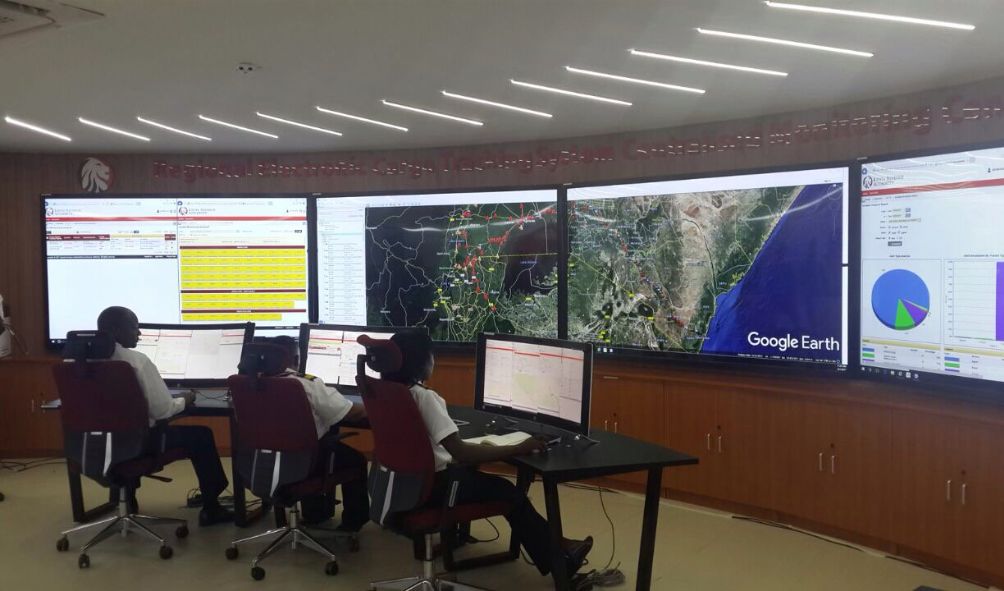
At the heart of this system is the Regional Electronic Cargo Tracking System (RECTS), a digital monitoring platform that uses electronic tracking devices installed on transit cargo trucks.
“This is a very expensive gadget that costs about Ksh300,000 per unit,” said Joseph Mucoki, Manager of the Regional Electronic Cargo Tracking System (RECTS), during a tour of the Mombasa Port customs facilities.
“Once it is installed on a truck, it sends signals to our command centre at Times Towers in Nairobi.”
Adding, “Before installation, the device is configured with several parameters that allow it to track the vehicle anywhere and everywhere it goes.”
“The Regional Electronic Cargo Tracking System has improved real-time monitoring of transit and export goods,” added KRA Deputy Acting Commissioner, Customs and Border Control, Southern Region, Swalleh Faraj.
“This has helped deter dumping and cargo theft along the Northern corridor.”
Before a truck is fitted with the tracking device, transporters must first be onboarded onto the Integrated Customs Management System (iCMS) and registered as compliant transit operators.
The vehicles themselves are also profiled and cleared within the system before being allowed to carry transit goods across borders.
Drivers are also required to obtain a special license issued by KRA, confirming their eligibility to transport transit cargo under the RECTS framework.
The license ensures that both the driver and vehicle are fully documented within the customs digital ecosystem before any movement is authorised.
Once cargo has been scanned at the port and cleared through other freight verification processes, drivers present their documents for compliance checks.
📢 KRA Transitions to Multi-Vendor, User-Owned E-Cargo Seals
The Kenya Revenue Authority (KRA) is transitioning to a Multi-Vendor, User-Owned Electronic Seals model for the Regional Electronic Cargo Tracking System (RECTS), covering both dry cargo (e-seals) and wet cargo (e-fuel… pic.twitter.com/L5dDoYBueQ— Market Cap Trainers (@NSE_Investors) February 2, 2026
Details of the shipment, driver, and transport company are verified before the RECTS team issues the tracking device for installation.
The device, typically fixed at the rear of the container, is fitted using a strong industrial magnet that securely attaches it to the truck.
This ensures it remains intact throughout the journey along the transit corridor, even under long-distance and rough-road conditions.
To support nationwide rollout, KRA has deployed National Youth Service (NYS) officers to assist in the installation process.
Once fitted, the device is activated through a mobile application system operated by KRA officers, immediately linking the truck to the central command system.
Once activated, the system displays real-time data, including the driver’s details, photograph, and route information.
This enables customs officials to monitor movement continuously from the control centres in Nairobi and Mombasa.
Through the system, KRA can detect where a truck has stopped, the duration of each stop, and whether it has followed its approved route.
Any deviation from the designated path triggers an alert within the monitoring system.
Mr Reuben Walufu of Customs and Border Control Department giving our visitors a brief explanation of how the Regional Electronic Cargo Tracking System (RECTS) works.#KenyaTradeWeek2018 pic.twitter.com/oLCwYKRv3P— Kenya Revenue Authority (@KRACorporate) July 31, 2018
Officials say the system creates a geo-fenced corridor, typically within 100 metres of the designated route.
Any vehicle that moves outside this corridor is flagged as potentially missing or non-compliant and is immediately subject to investigation.
ALSO READ:
- Kenya’s David Munyua Heads Back To PDC World Darts Championship
- A Man Dies In Police Custody, Family Says Victim Had Mental Illness
- DP Kindiki Makes A Ksh39 Billion Projects’ Pledge To Meru, Slams Local Leaders
- FKF Issues Way Forward On Kenya Premier League’s New Season
- Court Rules On 8 Utumishi Girls Fire Suspects, Explains Reasons Behind
In cases where a truck breaks down, transport companies are required to formally notify KRA and seek authorisation for route adjustments.
Enforcement teams stationed along the corridor then coordinate with the operator to manage the situation and ensure cargo integrity is maintained.
KRA further notes that each tracking device is configured for a lifespan of about 60 days, although most transit journeys, such as from Mombasa to the Kenya-Uganda border, typically take only three to four days under normal conditions.
Through RECTS, KRA says it can now monitor “anything along the geo-mapped road,” ensuring complete visibility of transit cargo movement across the Northern Corridor.
According to the taxman, the system represents a shift from manual enforcement to real-time digital surveillance, aimed at reducing cargo diversion, improving compliance, and safeguarding government revenue.
EXPLAINER: How KRA’s New REAL-TIME Cargo Tracking System Monitors Trucks