NTSA Boss Breaks Silence On Mandatory Car Inspections, Claims National Security
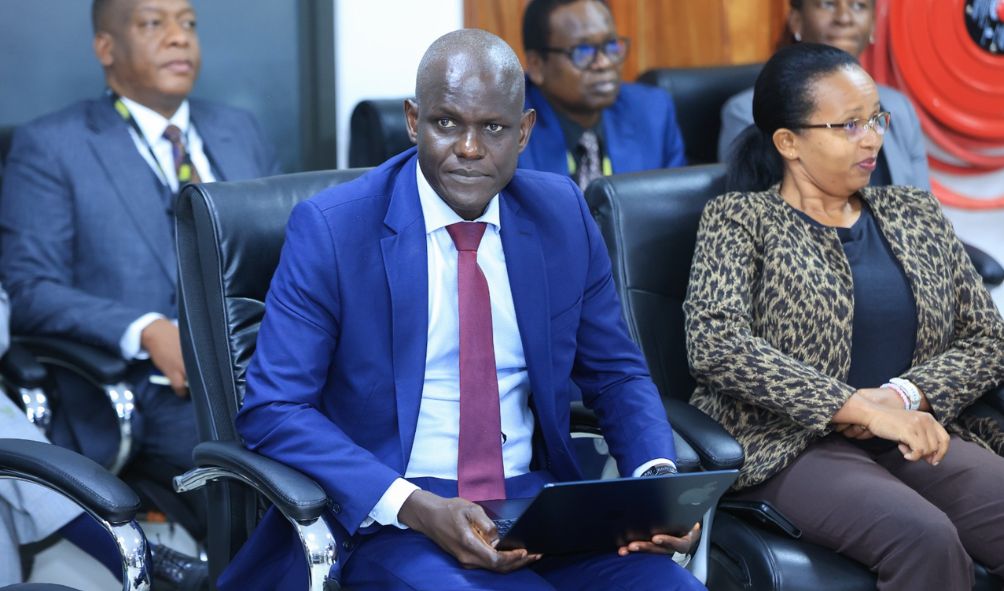
Nashon Kondiwa, Director General of the National Transport and Safety Authority (NTSA), has stated that the required motor vehicle inspection plan was launched in 2016.
According to Kondiwa, it culminates in modifications to the Traffic Act that take effect on June 11, 2022.
In an interview with NTV on Tuesday, Kondiwa stated that the policy is motivated by national security concerns, the necessity to ensure roadworthy automobiles, and the government’s goal of keeping correct records on vehicles for national planning.
“We have national security to take care of, we have road safety matters to take care of in terms of the roadworthiness of the vehicle, and we need to know the population of the vehicles for national planning,” said Kondiwa.
“All these three elements, you can only achieve them through consistent and regular contact with vehicles.”
Annual vehicle inspection a matter of national security, NTSA Director General says.
Nashon Kondiwa says private vehicles account for more road accidents compared to PSVs, underscoring the need to enforce strict roadworthiness checks. #FixingTheNationNTV @nationfmke… pic.twitter.com/aJSyzkaDti— NTV Kenya (@ntvkenya) June 30, 2026
He highlighted that the four-year inspection criterion is based on a vehicle’s manufacture date rather than its year of importation.
Kondiwa also claimed that private vehicles account for about 62 per cent of road accidents in Kenya.
Addressing concerns over the Ksh.2,000 inspection fee, Kondiwa said it was necessary to ensure the programme remains financially sustainable.
He explained that private investors tasked with establishing and operating vehicle inspection centers must be able to recover their investments while providing efficient and high-quality services.
“We are just saying it is now Ksh 2,000. Why?” Kondiwa posed.
“Because there are private inspection centers that we need private investors to invest in, and no one will invest in these things if there’s no return on investment.”
The Director General dismissed claims that the inspection programme is primarily intended to generate revenue for the authority, arguing that NTSA has several other avenues for raising income.
He revealed that the authority is also exploring the possibility of introducing an auction system for premium vehicle number plates as an avenue to generate funds.
Kondiwa disclosed that the government has already established 17 vehicle inspection centers and plans to expand the network to all 47 counties.
He added that counties with high vehicle populations, such as Nairobi and Mombasa, as well as major transport corridors, will have more inspection centers to improve efficiency and accessibility.
ALSO READ:
- Kenya’s David Munyua Heads Back To PDC World Darts Championship
- A Man Dies In Police Custody, Family Says Victim Had Mental Illness
- DP Kindiki Makes A Ksh39 Billion Projects’ Pledge To Meru, Slams Local Leaders
- FKF Issues Way Forward On Kenya Premier League’s New Season
- Court Rules On 8 Utumishi Girls Fire Suspects, Explains Reasons Behind
Kondiwa further acknowledged that the government lacks an accurate record of the number of vehicles currently on Kenyan roads.
He attributed the challenge to poor deregistration practices and illegal alteration of vehicle identities.
“We don’t know the number of vehicles on our roads. We don’t know because the truth is, since we started registering vehicles, we don’t deregister them,” he said.
“They die; those ones they used to make other metals are still in our register to date.”
The NTSA had introduced a mandatory annual vehicle inspection regulation to be in effect as of July 1.
Under the Traffic (Motor Vehicle Inspection) Rules, 2026, all privately owned and government vehicles older than four years from the date of manufacture are required to undergo an inspection test once every year.
Two petitions have been filed so far seeking to block the implementation of the new car inspection law.
NTSA Boss Breaks Silence On Mandatory Car Inspections, Claims National Security