FOREIGN DOCTORS’ MYSTERY: What Happened to the Cuban Doctors in Kenya
Even without confirmation, the news of the possible death of two Cuban doctors kidnapped in Kenya four years ago has sparked widespread debate.
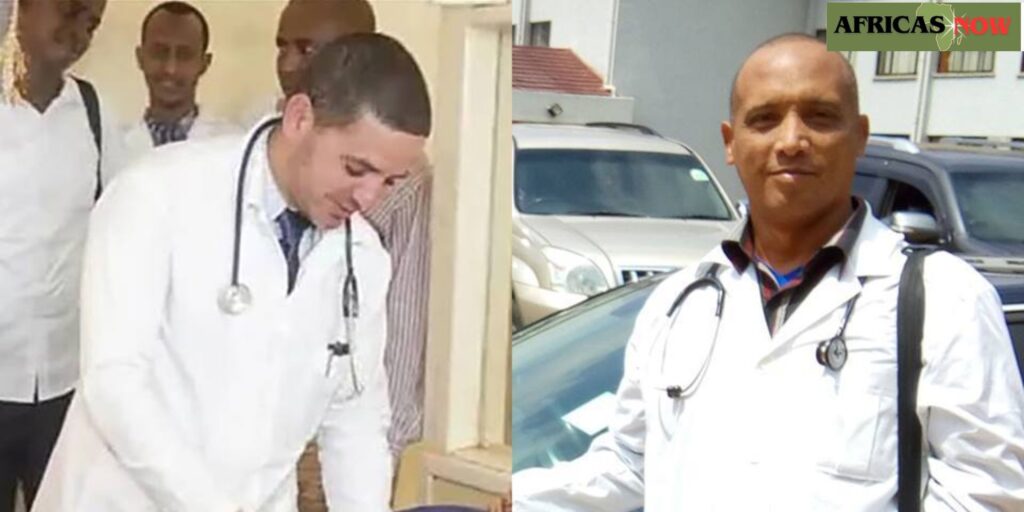
The U.S. Africa Command drone attack on February 15th may have killed Assel Herrera and Landy Rodríguez, who were in a known dangerous area.
The terrorist group Al-Shabab abducted Herrera and Rodríguez on April 12, 2019.
After learning of the news, Miguel Díaz-Canel’s regime relocated the remaining medical personnel to Kenya’s red zones.
We can already see a shadow here because it took the kidnapping of two collaborators for the Cuban government to recognize the danger of the area, which anyone with common sense would have known before sending them.
The militia demanded over a million dollars to release the doctors, but Díaz-Canel refused.
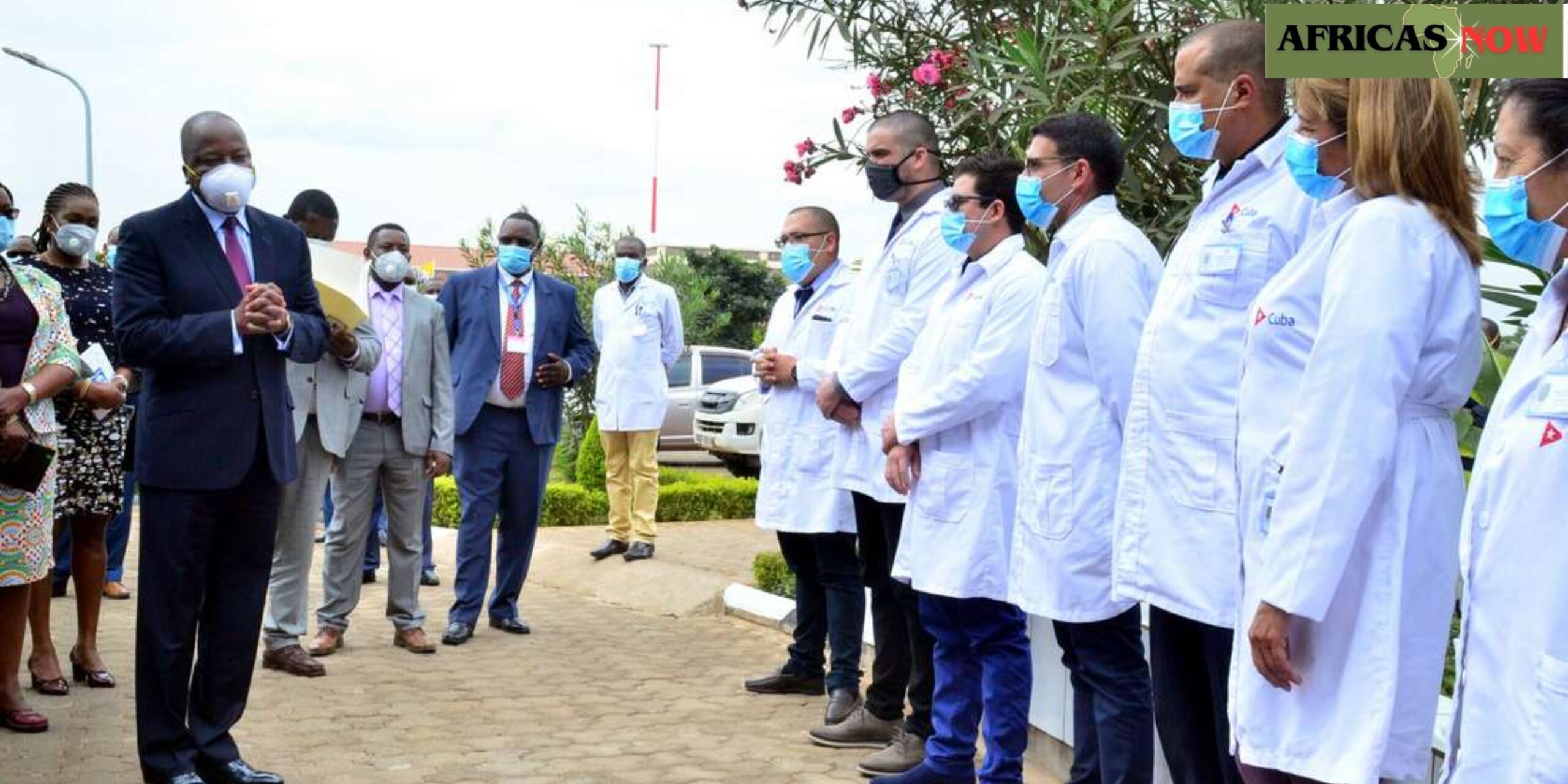
Officials went to see them and confirmed that they were still alive and willing to continue their mission, even if it wasn’t the one they were originally assigned.
According to a television report, Dr. Herrera saw an average of 20 patients per day during his eight-hour shift in Mandera County, while Dr. Rodríguez performed approximately 10 surgical procedures.
In a local TV interview, Rodríguez revealed that when he learned he would be sent to Mandera, he researched the area and discovered it was dangerous due to militia jihadist attacks.
The Revolution, which cares so much about its children, tolerated them continuing to work in those conditions, and because they continued to be paid their wages, perhaps even more suspiciously, there were no major issues.
It is worth noting that in order to provide for their families, these doctors forewent vacations for four years and continued to risk their lives in an area of constant armed conflict.
In a local TV interview, Rodríguez revealed that when he learned he would be sent to Mandera, he researched the area and discovered it was dangerous due to militia jihadist attacks.
The Revolution, which cares so much about its children, tolerated them continuing to work in those conditions, and because they continued to be paid their wages, perhaps even more suspiciously, there were no major issues.
It is worth noting that in order to provide for their families, these doctors forewent vacations for four years and continued to risk their lives in an area of constant armed conflict.
Last Tuesday, the President of the National Assembly of People’s Power (ANPP), Esteban Lazo, traveled to Kenya as a “special envoy” to “clarify” the alleged death of the two doctors, as detailed by the regime in an official note, but we’re still in the same situation.
After several days without even being able to confirm the deaths, it is evident that they were in no man’s land because neither the Kenyan government can reach there (in reality, the events occurred in Somalia, not in Kenya).
However, there are no official relations between Cuba and Somalia since the late 20th-century war, nor does Al-Shabab show much interest in clarifying the events because showing photos of the corpses would have sufficed.
They could even use that as a political weapon to say that they are killing civilians in attacks against them since they insisted a lot that the impact was on a house and not a military camp.
But at this moment, we’re not going to go into that, and we better focus on Cuba while the Parliament’s speaker continues his guided tour.
In the last decade, there have been constant reports of labor exploitation by the Cuban dictatorship of the doctors it sends abroad in agreements with different countries, and we’re not talking about war-torn nations any more, but any country where practitioners must work in subhuman conditions many times, with payments much below their capacities, cannot move freely, or have relations with natives.
For example, the organization Prisoners Defenders based in Madrid tallies more than a thousand testimonies of professionals contracted abroad, 900 of them in protected witness status.
It’s not just doctors; there are also sports coaches, musicians, architects, sailors, and luxury cruise ship waiters, a way to export cheap labor.
According to official data, in 2018 the regime earned eight billion five hundred million dollars just from the export of medical services, which is probably the dictatorship’s most profitable business because it pays paltry wages and charges like the best, although these revenues are incapable of disguising the impoverished Gross Domestic Product (GDP) or moving away from the recurrent justification of the blockade to talk about the eternal crisis of the national economy.
Last month, the UN once again pointed to the Cuban regime for violations of the rights of exported workers, especially doctors, and warned that the governments of Italy, Qatar, and Spain could be considered accomplices to these sophisticated mechanisms of labor exploitation.
In the specific case of these doctors, it is evident that there was no interest whatsoever in Cuba in discussing the issue, and neither did officials from the Kenyan Embassy in Havana comment on it.
It appears that both specialists agreed to continue their mission despite the dangerous conditions, but the Communist Party of Cuba, which cannot meet their basic needs, saw no problem with this.
This government is too hypocritical, exploiting its professionals’ misery to profit even in bellicose areas where their lives are at risk.
It appears that we will have to wait for the United States, which has relations with Somalia, to fully explain what happened on February 15th.
However, regardless of the facts, which are particularly tragic if they end with the deaths of the doctors, there are numerous shadows.
FOREIGN DOCTORS’ MYSTERY: What Happened to the Cuban Doctors in Kenya