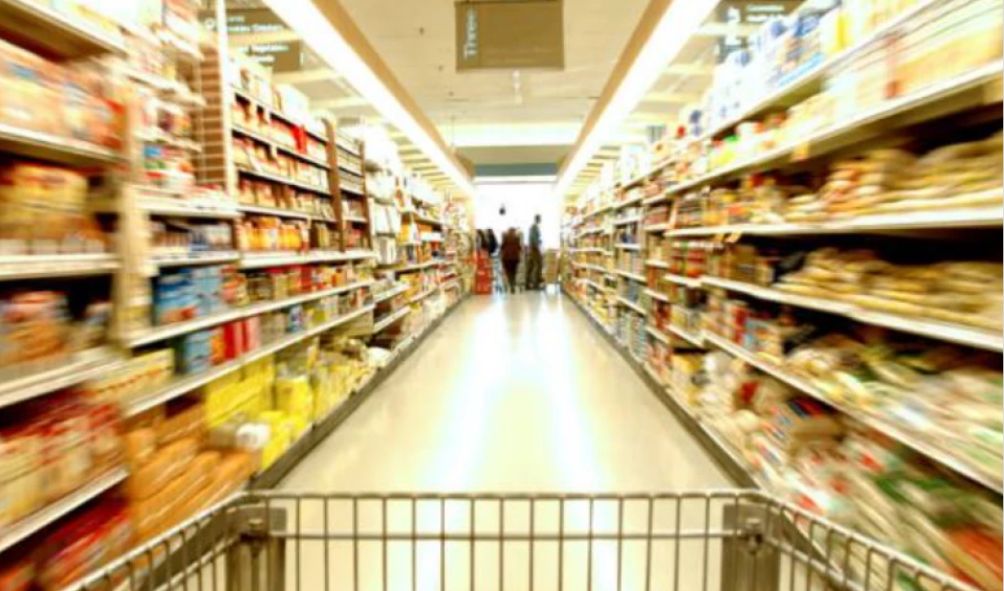
Gov’t Raises Alarm Over Harmful Packaged Goods In Supermarkets
The Ministry of Health is raising concerns about the nutritional composition of consumer products on the market, claiming that the majority of them do not satisfy the needed standard.
According to the 2025 Kenya Market Assessment Report, just 10% of the packaged goods tested met the nutrient threshold established by the Kenya nutrient profile model.
The government is currently working to implement rules that would allow customers to make more informed judgments by prominently labelling foods.
Kenyans’ nutritional choices have gradually shifted from healthful, traditional meals to processed and packaged items.
However, these simple comforts come at a hidden cost to the health of the country’s population.
The non-profit Access to Nutrition Initiative’s analysis has shed light on the dangers hidden in packaged meals sold in Kenyan markets.
According to the survey, 90% of packaged foods on supermarket shelves are rich in fat, salt, and sugar, which contributes to an increase in noncommunicable disease cases.
The government says it plans to address this by implementing the country’s nutrient profile, which establishes exact limitations for nutrients such as fat, sugar, and sodium across 21 categories of processed goods.
“We want to define the maximum levels of nutrients for concern, such as sugar, salt, and unhealthy fats. Foods exceeding this threshold are classified as unhealthy,” said Public Health and Professional Standards Principal Secretary Mary Muthoni.
This morning on Kameme FM’s Rikiratha show shared updates on key public health matters currently affecting the country and highlighted the progress being made to strengthen healthcare systems.
— Mary Muthoni Muriuki, CBS, HSC (@psmuthoni) July 16, 2025
The mysterious illness reported in Mombasa, which has sadly claimed four lives,… pic.twitter.com/sWi3t9pVOX
The poll looked at over 700 food and beverage products, including carbonated beverages, juices, and energy drinks, as well as rice, pasta, and noodles.
Additionally, snacks include biscuits and confectionery, dairy products and ice cream, cooking essentials like edible oils and sauces, and breakfast items such as cereals and instant coffee.
Over 50% of the products sampled failed to meet the healthy rating, while only 32.8% were classified as healthy.
Yet most of them are marketed as healthier options. The Ministry of Health says this must stop.
“We have seen in this market that unhealthy foods are being marketed openly,” PS Muthoni added.
“We have seen food, beverages, snacks, and dairy meant for children with appetising cartoons — that when you go to the supermarket with your kids, it is the first thing they will pick, not knowing if they are healthy or not.”
ALSO READ:
- Duale Confirms Kenya-U.S. Deal For Ebola Quarantine, Testing
- “Kenya Has Enough Fuel Reserve!” – CS Wandayi Assures
- Journalist Jailed In Ksh16 Million State House Case, Governor Intervenes
- Ruto’s UDA Fiercely Responds To Uhuru, Terms Him ‘Bitter And Obsessed’
- REVEALED: How Ruto’s UDA Plan To Infiltrate Gachagua’s DCP Party
To remedy this, the ministry is now looking at instituting reforms that will hand the power of knowledge and choice to the consumers.
“The front-of-package labelling, which we are developing, will be to implement the clear label of whether the product is healthy or not,” she noted.
“We will want to know, by use of a colour, whether the product is healthy or unhealthy.”
The report also revealed that food products sold by the world’s biggest food and drink companies in poorer countries were less healthy than those sold in richer nations.
Gov’t Raises Alarm Over Harmful Packaged Goods In Supermarkets